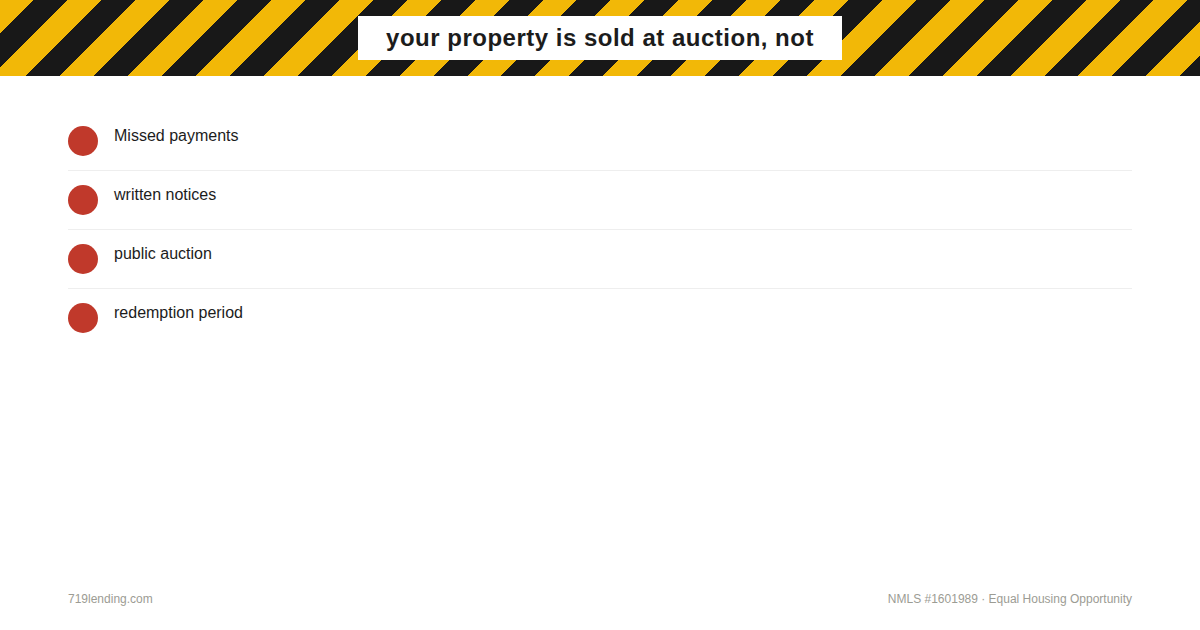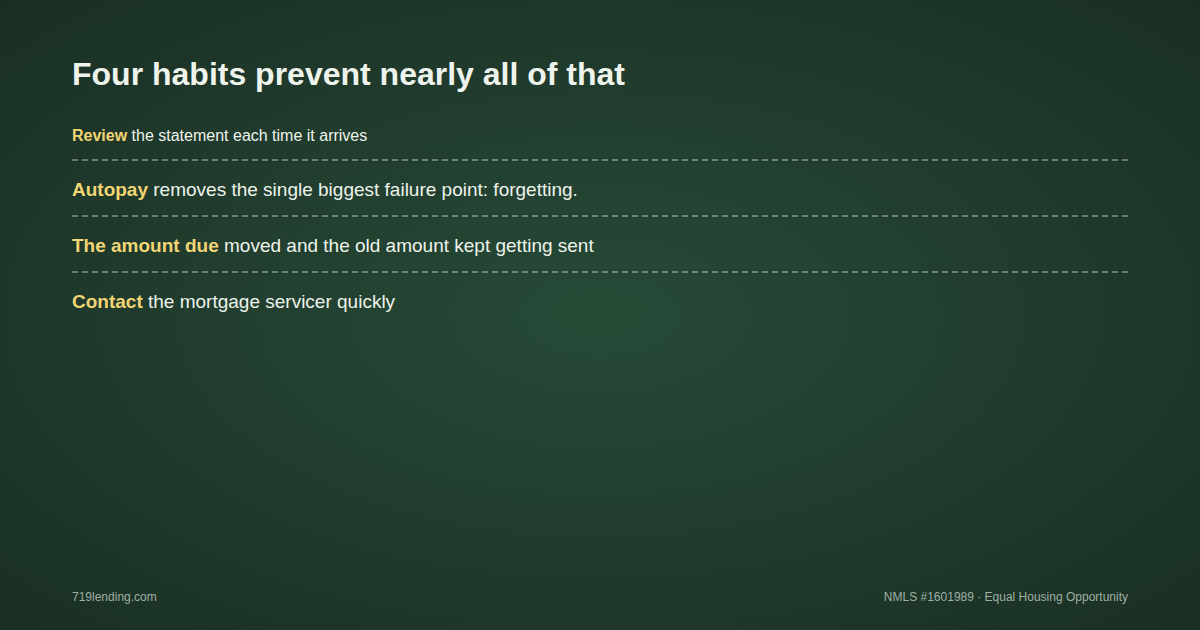
In a nonjudicial foreclosure, the lender follows a series of required written notices under the power of sale clause in your deed of trust, then sells the property at a public auction to the highest bidder — all without filing a lawsuit. Here is the step-by-step sequence, what you control, and where Colorado and military borrowers can get help.
When Will Mortgage Rates Go Down? A Colorado Guide
The short answer: No one can promise a date, but mortgage rates fall when inflation cools, the economy slows, or the Federal Reserve signals easier policy. As of the week of June 11, 2026, the 30-year fixed averaged 6.52% nationally per Freddie Mac, down from 6.84% a year earlier. Rates are already drifting lower; the smarter move is to get ready now and refinance later if they drop further.
Last updated: June 29, 2026 — rate figures cited are national survey averages as of the dates shown and change frequently.
If you typed “when will mortgage rates go down” into Google, you want a date. Honest answer: nobody has one, and anyone who gives you a specific month is guessing. What we can do is show you the forces that push rates down, where rates sit right now, and why waiting for a magic number is usually the most expensive strategy a Colorado buyer can pick.
Where are mortgage rates right now?
According to Freddie Mac’s weekly Primary Mortgage Market Survey for the week of June 11, 2026, the 30-year fixed-rate mortgage averaged 6.52% and the 15-year fixed averaged 5.84%. A year ago, the 30-year averaged 6.84%.
Two things to know about those numbers. First, they are national survey averages, not rates 719 Lending or any lender is offering — mortgage rates in Colorado differ based on your credit score, down payment, loan type, lender, and other factors. Second, look at the direction: the 30-year average is lower than it was a year ago. The decline people are waiting for has, in part, already been happening.
| Measure | Week of June 11, 2026 | One year ago |
|---|---|---|
| 30-year fixed (Freddie Mac national average) | 6.52% | 6.84% |
| 15-year fixed (Freddie Mac national average) | 5.84% | — |

What actually makes Colorado mortgage rates go down?
Mortgage rates are not set by the President, your bank, or even directly by the Federal Reserve. Mortgage interest rates generally follow the 10-year Treasury yield and the broader bond market — specifically, what investors will pay for mortgage-backed securities. When investors expect slower growth and lower inflation, they accept lower yields, and mortgage rates follow.
The main forces that pull rates down:
- Cooling inflation. This is the big one. The Consumer Price Index and Personal Consumption Expenditures reports are the key inflation readings; softer inflation numbers usually pull bond yields lower, and mortgage rates tend to follow. Energy prices and geopolitical events can push inflation the other way.
- A slowing economy. Weak jobs reports and softer consumer spending push investors toward bonds, which lowers yields and rates.
- Federal Reserve policy. The Fed sets the federal funds rate — a short-term benchmark — not mortgage rates. But its signals about future cuts move the bond market that does set mortgage rates, and markets often price in Fed moves months before they happen.
- Global uncertainty. When investors get nervous, they buy U.S. Treasuries as a safe haven, which can nudge mortgage rates lower.
Notice what’s missing from that list: any fixed calendar date. Rates respond to data, and the data changes monthly.
So when will rates actually drop?
The honest framework: rates fall when inflation keeps cooling and the economy softens enough for the Fed to ease — and that tends to happen gradually, not overnight. Big single-day drops happen, but they’re usually triggered by surprises nobody saw coming, which is exactly why timing them is a losing game.
It’s also worth remembering that forecasts have a rough track record. Plenty of borrowers have spent years waiting for a return to the historical mortgage rates of the past, paying rent the entire time, while home prices in markets like Colorado Springs kept moving. The relevant question isn’t “when will rates hit a number I like?” It’s “does the math work for me at today’s rates, and can I improve the deal later?”
Should I wait for lower rates to buy a home in Colorado Springs?
Here’s the trap with waiting: if rates drop meaningfully, you won’t be the only one who notices. Colorado Springs is a strong military market — Fort Carson, Peterson and Schriever Space Force Bases, the Air Force Academy — with steady PCS-driven demand. When rates fall, buyers who were sidelined come back at once, competition heats up, and sellers regain leverage. Inventory in the local housing market also stays tight because many current owners are holding onto low mortgage rates. You may trade a slightly lower rate for a higher purchase price and a bidding war.
Buy when three things are true: your income is stable, the home will be your primary residence, and you plan to stay in the area long enough for owning to beat renting. The monthly mortgage payment has to fit your budget at today’s rate, not a hoped-for future rate — and make sure it still works once you factor in property taxes and homeowners insurance, especially as rising insurance premiums push overall housing costs higher across Colorado. Rates also tend to run hotter in the busy spring and summer buying seasons, but seasonality alone should never drive the decision.
There’s a saying in this business for a reason: marry the house, date the rate. You lock in the price of the home now; the financing can be improved later.
Can I refinance if rates go down after I buy?
Yes, and this is the release valve that makes waiting unnecessary. If you buy now and rates fall later, you can refinance into the lower rate — or out of an adjustable-rate mortgage before its introductory period ends — with FHA, VA, and conventional refinancing options depending on your current loan and goals. A refinance has its own closing costs, which commonly run about 2% to 5% of the loan amount, so the standard test is the break-even: divide the cost of the refinance by your monthly savings, and check that you’ll stay in the home past that break-even point. Fixed-rate loans keep the same rate for the entire loan term for more certainty, while shorter terms trade higher monthly payments for less total interest.
Veterans and active-duty service members have an even simpler path. The VA Interest Rate Reduction Refinance Loan (IRRRL), often called a streamline refinance, is designed specifically to move existing VA borrowers into a lower rate with reduced documentation. The FHA Streamline Refinance works similarly for eligible FHA borrowers, typically with minimal documentation and no appraisal. In a market with as many VA borrowers as Colorado Springs, the IRRRL is one of the most useful tools available when rates dip.
What should I do while I wait for rates to fall?
Whether you buy this year or next, the borrowers who win when rates move are the ones who are already prepared. Use the waiting period productively:
- Get pre-approved now. You’ll know your real budget at current rates and can move fast if rates dip or the right house lists — with your financing lined up before your real estate agent starts scheduling showings.
- Work on your credit score. Your personal rate is priced off your credit profile. Improving your score can do more for your rate than waiting months for the market — 740 or above typically earns the best pricing tiers — and reviewing your credit report is a smart first step.
- Build your down payment and reserves. Your down payment affects pricing, loan size, and qualification. Colorado has real help here: the Colorado Housing and Finance Authority (CHFA) offers first-time homebuyer programs and down payment assistance for eligible buyers, many with income limits, and VA loans require no down payment at all for eligible borrowers.
- Know your loan options. FHA loans are backed by the Federal Housing Administration and can allow 3.5% down with a minimum credit score of 580. USDA loans offer 100% financing for eligible rural buyers. Jumbo loans cover amounts above the FHFA conforming loan limits. Conventional loans weigh your debt-to-income ratio heavily and may require private mortgage insurance with less than 20% down.
- Ask about rate buydowns and lock options, and compare offers. Reviewing quotes from multiple lenders is one of the most reliable ways to save money on a mortgage.
What’s the next step?
Stop watching headlines and get a real number for your situation. A 15-minute conversation will tell you what loan options fit your financial situation, what the monthly payments would look like at current pricing, and what your refinance trigger would be if rates keep sliding. 719 Lending Inc. (NMLS #1601989) is a Colorado Springs mortgage broker working with military and civilian borrowers across Colorado every day. Call (844) 719-5363 and get a plan instead of a prediction.
Frequently asked questions
Will mortgage rates go down in 2026?
They already moved lower than a year ago — Freddie Mac’s national survey showed the 30-year fixed averaging 6.52% for the week of June 11, 2026, versus 6.84% a year earlier. Whether they fall further depends on inflation data, the job market, and Federal Reserve policy, none of which can be predicted with certainty.
Does the Federal Reserve set mortgage rates?
No. The Fed controls the federal funds rate, a short-term benchmark that influences mortgage borrowing costs indirectly. Mortgage rates track the bond market — especially the 10-year Treasury yield and mortgage-backed securities — and markets often price in expected Fed moves months before they happen.
Is it better for first-time homebuyers to buy now or wait for lower rates?
If your income is stable, the payment fits your budget at today’s rates — including property taxes and homeowners insurance — and you’re ready for a home purchase, buying now is usually the stronger play. Colorado’s first-time buyer programs (many with income limits) can help now, and if rates fall later you can refinance. If you wait and rates fall, you’ll likely face more competition and possibly higher prices as sidelined buyers jump back in.
How can veterans take advantage if rates drop after buying?
VA borrowers can use the Interest Rate Reduction Refinance Loan (IRRRL), a streamline refinance built to lower the rate on an existing VA loan with reduced documentation. It’s one of the simplest ways for Colorado Springs military homeowners to capture a rate drop, though the VA funding fee may still apply — financed into the loan or paid at closing.
719 Lending Inc. is a private mortgage broker and is not affiliated with the U.S. Department of Veterans Affairs, FHA, HUD, or any government agency.
719 Lending Inc., NMLS #1601989 · Equal Housing Opportunity · This article is educational only, is not a commitment to lend, and not all applicants will qualify. Rates referenced are national survey averages, not offered rates.

Related Posts