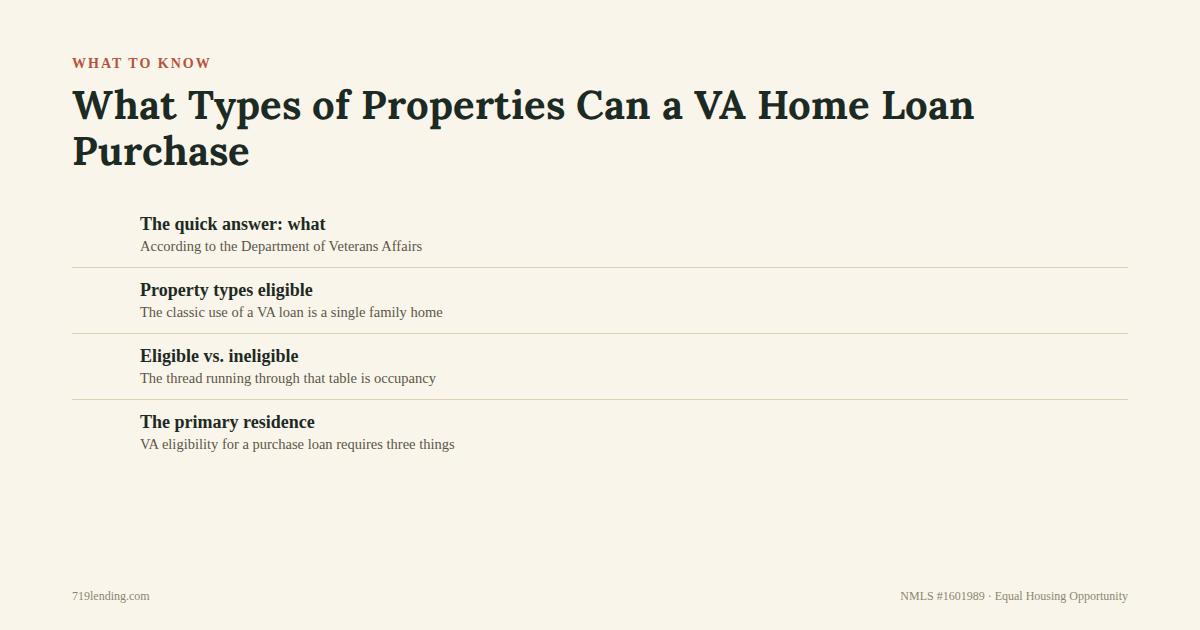
A VA home loan can purchase more property types than many borrowers realize — single-family homes with up to four units, condos in VA-approved projects, manufactured homes, and even new construction. The one rule that never bends: the home must be your primary residence. Here is exactly what qualifies, what does not, and how Colorado Springs service members put the benefit to work.
Private Student Loan Interest During Military Deferment
What happens to interest on private student loans during deferment or forbearance for servicemembers? The short answer: interest generally keeps accruing the whole time, and you remain responsible for it. This guide explains how deferment and forbearance treat interest on private student loans, how that differs from federal student loans, and what active duty military borrowers — including the large military community around Colorado Springs — should check before pausing payments.
The short answer: interest usually keeps accruing on private student loans

The Consumer Financial Protection Bureau (CFPB) is direct about this. Private student loans may offer deferment or forbearance under certain circumstances, but unlike some federal student loans, you are generally still responsible for the interest that accrues during either one.
That accrued interest does not disappear when the pause ends. You can pay the interest as it accrues, or the loan servicer may add it to the loan balance when the forbearance ends.
The CFPB notes that many borrowers are surprised to discover their student loan debt has grown once they finish their service and begin to repay their loans. The pause is temporary; the interest is not.
To understand why, it helps to separate what deferment and forbearance each actually do.
Deferment vs. forbearance: what each one actually does
What student loan deferment does
Loan deferment postpones loan payments but does not change the terms of the loan. Short-term, payments are paused. Long-term, the cost of the debt probably increases.
During a deferment period, interest does not accrue on some types of federal loans. On a private student loan, that subsidized treatment generally does not apply — the borrower is still responsible for the interest.
What student loan forbearance does
Student loan forbearance is a temporary postponement or reduction of student loan payments because of financial hardship. It gives you a window to get back on your feet, and sometimes lenders agree to reduce the debt permanently as part of a forbearance.
During a forbearance period, interest accrues on all loan types. You are still responsible for the interest accrued during the forbearance, whether the loan is federal or private.
The real difference between the two options comes down to how much interest accrues over time — which is where private loans diverge sharply from federal ones.
Why private student loans treat interest differently than federal student loans
The federal side: subsidized loans get a break in deferment
With federal student loan deferment, you do not have to pay interest during the deferment if you have a subsidized loan. If you have an unsubsidized loan, you are still responsible for the interest during deferment.
During federal forbearance, interest accrues on all loans, including federal subsidized loans. However, that interest will not be added to the principal balance on federal Direct Loans. For other federal loans not owned by the Department of Education, accrued interest may be added to the principal balance.
The private side: contract terms control everything
Private student loan forbearance varies and is more limited than the federal program. The terms and fees for postponing private student loan payments are based on your contract and applicable laws.
Those terms may differ from servicer to servicer and may not be as favorable as the terms available on federal student loans. The CFPB advises contacting the private loan servicer as early as possible to explore the option.
Where the unpaid interest goes
If you do not pay the interest during the forbearance period, the servicer may add it to the balance of the loans when the forbearance ends. That process grows the principal, which means interest can then accrue on a larger loan balance during the rest of the repayment period.
Because interest keeps running on private loans either way, servicemembers should look at the benefits built specifically for military service before choosing to pause.
Benefits servicemembers should check before pausing payments
SCRA interest rate reduction on pre-service loans
Servicemembers may be able to lower the interest rate on loans taken out before military service under the Servicemembers Civil Relief Act (SCRA). That is an interest rate reduction, not a payment pause, so it works differently than deferment or forbearance.
Ask the loan servicer directly about all benefits available to borrowers engaged in public service, including SCRA protections tied to active duty military service.
Perkins loan cancellation
Servicemembers and Peace Corps volunteers with Perkins loans might be able to have the loan canceled entirely. The CFPB cautions borrowers to check eligibility for these benefits before consolidating loans — otherwise, you could lose eligibility.
Income-driven repayment on federal Direct Loans
If you have federal Direct Loans, income-driven repayment plans such as Income-Based Repayment (IBR), Income-Contingent Repayment (ICR), Pay As You Earn (PAYE), or Saving on a Valuable Education (SAVE) are worth reviewing. The monthly payment amount is tied to income, there may be interest benefits that limit balance growth from unpaid interest, and enrolled borrowers make progress toward loan forgiveness each month.
If you are pursuing Public Service Loan Forgiveness (PSLF), understand how deferment or forbearance affects your ability to receive credit toward federal loan forgiveness before you pause anything.
All of these program rules come straight from the CFPB, which is also where you can read them yourself.
What the official source says and where to read it
The CFPB publishes consumer guidance on whether to delay student loan repayment through deferment or forbearance while serving in the military, volunteering in the Peace Corps, or participating in a national service program. Its position: either option can be a short-term fix if you are short on cash, but it could also make paying back the loans more expensive.
The CFPB also explains how forbearance works on federal versus private loans, including that federal servicers can grant forbearance for a limited window at a time and that you must keep making payments until the servicer confirms the forbearance request is approved.
If you have a problem with a student loan, you can submit a complaint to the CFPB online or by phone.
Beyond the official guidance, there is a practical angle for military borrowers who plan to buy a home after their service window closes.
Why this matters for military homebuyers in Colorado Springs
Colorado Springs is a heavily military market, and PCS moves, deployments, and training cycles are exactly the situations where pausing student loan payments feels tempting.
But a growing loan balance is part of the financial picture you bring to any future home purchase.
If homeownership is on the horizon after a deployment or PCS, talk through how student debt fits into the plan before deciding whether a pause or continued loan repayment serves you better.
Whatever you decide, go into the conversation with the servicer armed with specific questions.
Questions to ask the loan servicer before you pause
- Does this loan qualify for military service deferment or forbearance, and under what contract terms?
- Exactly how does interest accrue during the pause, and will unpaid interest be added to the principal balance?
- Can I make interest-only payments during the pause to keep the balance from growing?
- What benefits exist for borrowers in military service, including SCRA interest rate reduction on pre-service loans?
- For federal loans: how does a pause affect income-driven repayment enrollment and PSLF credit?
Keep asking until you understand what you will owe when payments restart — not just what you will skip now.
Next steps
Contact the student loan servicer before you postpone payments, and ask about every benefit available to borrowers in public service, from SCRA protections to Perkins cancellation to income-driven repayment on federal Direct Loans.
If the servicer is unresponsive or you believe you are being treated unfairly, submit a complaint to the CFPB.
And if a home purchase in Colorado Springs is part of your post-service plan, bring your student loan picture to that conversation early so the decision to defer payments — or not — fits the bigger financial goal.
Frequently asked questions
Does interest accrue on private student loans during deferment?
Generally, yes. Unlike some federal student loans, private student loans typically do not offer a subsidized deferment, so the borrower remains responsible for the interest that accrues during the deferment period. Check the loan contract and ask the servicer how interest is handled before pausing payments.
What happens to unpaid interest when a private loan forbearance ends?
You can pay the interest during the forbearance period, or the servicer may add the accrued interest to the balance of the loan when the forbearance ends. That grows the principal balance, which is why many borrowers finish a service-related pause owing more than when they started.
Is private student loan forbearance the same as federal forbearance?
No. Private student loan forbearance varies and is more limited than the federal program. The terms and any fees are based on the loan contract and applicable laws, differ by servicer, and may not be as favorable as federal forbearance terms.
What is the SCRA benefit for servicemembers with student loans?
Under the Servicemembers Civil Relief Act, servicemembers may be able to lower the interest rate on loans taken out before military service. It is an interest rate reduction rather than a payment pause, so ask the loan servicer about eligibility before choosing deferment or forbearance.
Should I consolidate my loans before checking military benefits?
Check eligibility first. The CFPB warns that consolidating could cost you eligibility for benefits such as Perkins loan cancellation for servicemembers and Peace Corps volunteers. Contact the loan servicer to confirm which benefits apply before consolidating anything.
Do I keep making payments while waiting for a forbearance decision?
Yes. For federal student loans, you must continue making payments until the servicer confirms the forbearance request has been approved. Stopping early can leave you behind on the loan even though you applied for relief.
719 Lending Inc., NMLS #1601989 · Equal Housing Opportunity
719 Lending Inc. is not affiliated with or endorsed by HUD, FHA, VA, USDA, CHFA, the CFPB, or any government agency.
Last updated: October 2026

Related Posts