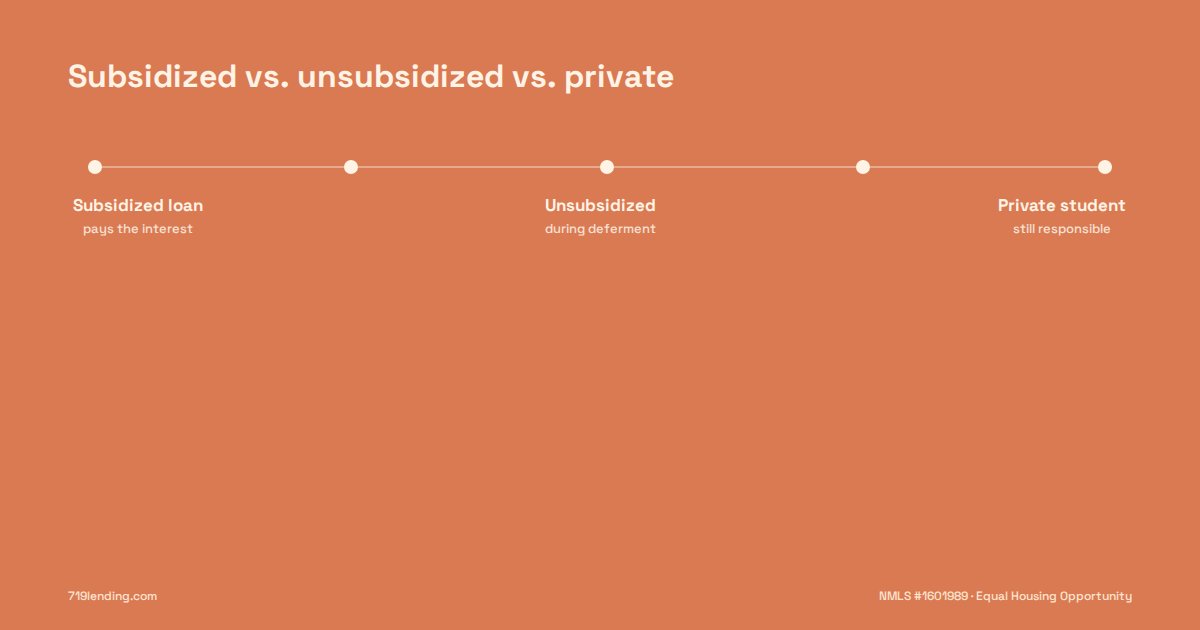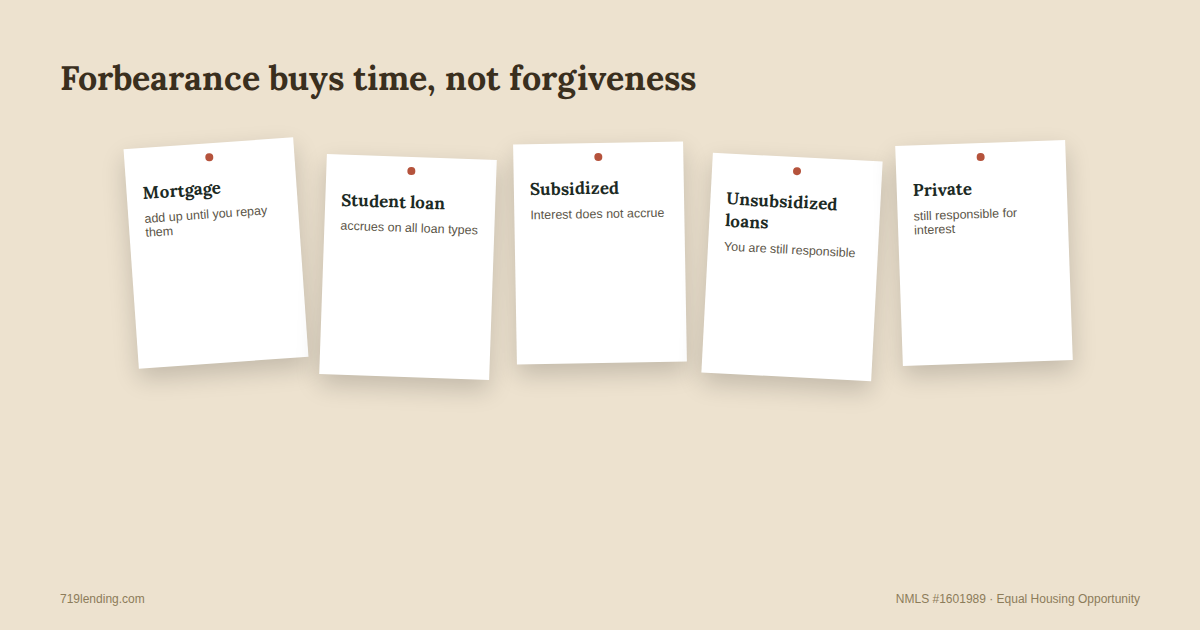
If you have a federal subsidized student loan, you do not have to pay interest on it during an approved deferment — the U.S. Department of Education covers it. Unsubsidized and private student loans work differently, and the gap matters, especially for service members around Colorado Springs weighing deferment during active duty.
Is Owner’s Title Insurance Optional in Colorado?
Is owner’s title insurance optional in Colorado, or do you have to buy it? The short answer: the owner’s policy is optional, and the lender’s policy usually is not. This guide is for Colorado buyers — including the many military families purchasing around Colorado Springs — who see two title insurance lines on their closing paperwork and want to know which one they can actually decline.
- Owner’s title insurance: optional. It protects your financial investment in the home, according to the Consumer Financial Protection Bureau (CFPB).
- Lender’s title insurance: usually required by the mortgage lender as a condition of getting the loan.
- Who picks the title company: you can usually shop for your title insurance provider separately from the mortgage, and under federal law the seller cannot require you to use a particular company as a condition of the sale.
- Cost structure: the CFPB notes the total title insurance cost is usually lower when the same provider issues both the lender’s policy and the owner’s policy.
Is owner’s title insurance optional in Colorado?
Yes. Owner’s title insurance is a policy you may choose to buy — the CFPB describes it exactly that way. There is no requirement in the mortgage process that forces a buyer to carry an owner’s title insurance policy.
That makes it different from the lender’s policy. Most mortgage lenders require you to purchase a lender’s title insurance policy, which protects the amount they lend. If you’re financing the purchase, expect that line on the Closing Disclosure regardless of what you decide about the owner’s coverage.
So the real question isn’t whether you’re allowed to skip the owner’s policy. It’s whether skipping it is a risk you want to hold yourself — which starts with understanding what the policy actually does.
What is owner’s title insurance?
Owner’s title insurance protects the homeowner if someone later sues and says they have a claim against the home from before the homeowner purchased it. It is coverage for problems with the property title that predate your ownership, not for future events like a fire or a hailstorm.
What the deed does — and doesn’t — guarantee
When you purchase a home, you receive a document usually called a deed. The deed shows the seller transferred their legal ownership — their title — to you.
What the deed alone cannot do is guarantee that no one else has a claim against the property from the past. That gap between what the deed says and what history might hide is exactly what title insurance exists to cover.
What kinds of legal claims can surface
The CFPB gives two concrete examples. Legal claims could come from a previous owner’s failure to pay taxes, or from contractors who say they were not paid for work done on the home before you purchased it.
Either kind of claim attaches to the property, not to the person who caused the problem. That means the current owner — you — is the one who has to deal with it, which is where the lender’s-versus-owner’s distinction matters most.
Why lender’s title insurance is required but owner’s isn’t

The two policies protect two different parties, and only one of those parties gets to set conditions on the loan. Understanding that split explains why one policy is effectively mandatory and the other is your call.
What the lender’s title insurance policy covers
Lender’s title insurance protects the lender against problems with the title to your property — for example, if someone sues to say they have a claim against the home. The lender’s policy covers claims that affect the lender’s loan.
Because the lender’s financial interest is on the line, lender’s title insurance is usually required to get a mortgage loan. The lender is protecting the loan amount, and that requirement is theirs to make.
Why the lender’s policy doesn’t protect you
Here is the part buyers miss: lender’s title insurance does not protect your investment in the home — your equity. The CFPB is explicit that if someone sues with a claim against your home, you are the first person responsible.
The lender’s title insurance policy only steps in for claims that affect the lender’s loan. Your down payment, your accumulated equity, and the appreciation on the property have no coverage under the lender’s policy at all.
To protect your equity in the event of a title problem, the CFPB notes you may want to purchase an owner’s title insurance policy. The table below puts the two policies side by side.
Lender’s policy vs owner’s policy at a glance
| Lender’s title insurance | Owner’s title insurance | |
|---|---|---|
| Who it protects | The mortgage lender’s financial interest — the amount they lend | The homeowner’s financial investment in the home |
| Is it required? | Usually required by mortgage lenders to get the loan | Optional — the buyer decides |
| Covers your equity? | No — it does not protect your investment in the home | Yes — that is its purpose |
| What it responds to | Claims against the title that affect the lender’s loan | Legal claims against the home from before you purchased it |
With the coverage split clear, the next practical question in Colorado real estate transactions is who actually pays for the owner’s policy.
Who pays for the owner’s policy in a Colorado purchase?
Who pays the owner’s title insurance premium is a matter of negotiation in the purchase contract, not a fixed rule. In some deals the seller agrees to pay for the owner’s policy; in others the buyer typically pays for it alongside other closing costs.
Your purchase contract is the document that answers this for your specific transaction. Read the title insurance provisions before you sign, and ask your real estate broker to walk you through who is paying for which policy.
One point worth flagging for buyers: even when the seller pays for the owner’s policy, that arrangement doesn’t restrict your rights around who issues it — which brings us to a federal rule many buyers don’t know exists.
Can the seller force you to use a specific title company?
No. Under the Real Estate Settlement Procedures Act (RESPA), a seller may not require, directly or indirectly, a borrower to purchase title insurance from any particular company as a condition of the sale of a home.
That protection is federal law, and the CFPB states it plainly. If a seller in Colorado tells you the deal is off unless you buy title insurance from their preferred title company, that condition is not one they’re allowed to impose.
Knowing you can’t be forced into a title insurer is only half the picture — the other half is that you can actively shop for one.
Can you shop for title insurance in Colorado?
Yes. The CFPB notes you can usually shop for your title insurance provider separately from the mortgage, and that if you shop for title insurance, you could save money.
Title insurance is one of the few closing costs where the buyer has real leverage. You are not locked into whichever title company appears on the first set of paperwork you receive.
Using the same company for both policies
If you choose to buy owner’s title insurance, the CFPB points out that the total cost is usually lower if you use the same provider for both the lender’s policy and the owner’s policy, compared to buying them separately.
In practice, that means the decision to add an owner’s policy is worth making before closing is scheduled, so both policies can be placed with the same company rather than pieced together.
Where title insurance shows up on your closing paperwork
Depending on the state where you are buying, your settlement agent, lawyer, lender, real estate agent, or title insurance company might give you an itemized list of fees at closing, including the title insurance cost.
The CFPB notes this itemized list could be different than what is shown on your Loan Estimate or Closing Disclosure — and that this does not necessarily mean you are being charged the wrong amount. If the numbers don’t line up, ask the settlement agent or your loan officer to reconcile them before you sign.
Shopping settled, there’s one more scenario to think through: what actually happens if you say no to the owner’s policy.
What happens if you decline the owner’s policy?
The transaction still closes. The lender’s policy satisfies the lender’s requirement, and the owner’s policy simply isn’t issued.
The consequence shows up later, if ever. If a legal claim against the property title surfaces from before your purchase — the unpaid-taxes or unpaid-contractor scenarios the CFPB describes — you are the first person responsible, and the lender’s policy only responds to the extent the claim affects the lender’s loan.
Your equity is the exposed piece. The down payment you made at closing and everything you build after it sit outside the lender’s coverage, which is precisely the gap an owner’s title insurance policy is designed to fill.
There’s no universal right answer here — it’s a risk decision. What a Colorado buyer can do is make it deliberately, with the coverage split in front of them, rather than by default because the line item was unfamiliar.
How this plays out for Colorado Springs and military buyers
Colorado Springs runs on real estate transactions tied to military orders. Buyers arriving on a PCS move are often closing on a compressed timeline, and title insurance decisions get made quickly in that environment.
The owner’s policy question deserves a pause even on a fast close. A title dispute doesn’t care whether you bought the home in a rushed week between duty stations or after months of searching.
Frequent movers sometimes reason that a shorter ownership window changes the math. Length of ownership doesn’t change the mechanism, though — claims covered by an owner’s policy come from before the purchase, so the exposure exists from day one of ownership.
Buyers using a VA loan should note that the owner’s-policy decision is separate from the loan program. The optional-versus-required split described above comes from the lender’s requirements and your own choice, and it applies across purchase financing generally.
Whatever your timeline, the decision path is the same — and it’s short.
How to decide: a simple framework
Ask yourself three questions before closing.
First, what does the purchase contract say about title insurance — who pays, and for which policy? Your real estate broker can point to the exact provisions.
Second, what would a claim against the property title cost you personally? Remember the CFPB’s framing: the lender’s policy protects the lender’s interest, and you are the first person responsible for claims against the home.
Third, have you compared providers? Since you can shop for the title insurer, and since bundling both policies with the same company usually lowers the total title insurance cost, get the combined quote before deciding the owner’s policy is a line worth cutting.
Next steps
If you’re buying in Colorado, pull out your purchase contract and Loan Estimate, find the title insurance lines, and confirm which one is the lender’s policy and which is the owner’s policy. Then decide on the owner’s coverage before the closing is scheduled, so both policies can be placed together if you want them.
Questions about how title insurance fits into the rest of your closing costs? The team at 719 Lending in Colorado Springs walks Colorado buyers through the Loan Estimate and Closing Disclosure line by line — reach out and bring your questions.
Frequently asked questions
Do I have to buy owner’s title insurance in Colorado?
No. Owner’s title insurance is optional — the Consumer Financial Protection Bureau describes it as a policy you may want to buy to protect your financial investment in the home. What most mortgage lenders do require is a lender’s title insurance policy, which protects the amount they lend.
Is lender’s title insurance the same as owner’s title insurance?
No. Lender’s title insurance protects the lender against title problems that affect the loan, and it does not protect your equity. Owner’s title insurance protects you, the homeowner, if someone sues with a claim against the home from before you purchased it.
Can the seller make me use their title insurance company?
No. Under the Real Estate Settlement Procedures Act (RESPA), a seller may not require, directly or indirectly, a borrower to purchase title insurance from any particular company as a condition of the sale of a home.
Can I shop around for title insurance?
Yes. You can usually shop for your title insurance provider separately from the mortgage, and the CFPB notes that shopping could save you money. It also notes the total cost is usually lower when the same provider issues both the lender’s policy and the owner’s policy.
What kinds of problems does an owner’s title insurance policy cover?
An owner’s policy responds to legal claims against the home that arose before you purchased it. The CFPB’s examples include a previous owner’s failure to pay taxes and contractors who say they were not paid for work done on the home before your purchase.
Why is the title insurance premium different on my Closing Disclosure than on the title company’s paperwork?
The itemized fee list you receive at closing could differ from what is shown on your Loan Estimate or Closing Disclosure, and the CFPB notes this does not necessarily mean you are being charged the wrong amount. Ask your settlement agent or loan officer to reconcile the figures before signing.
719 Lending Inc., NMLS #1601989 · Equal Housing Opportunity
719 Lending Inc. is not affiliated with or endorsed by HUD, FHA, VA, USDA, CHFA, the CFPB, or any government agency.
Last updated: August 2026

Related Posts