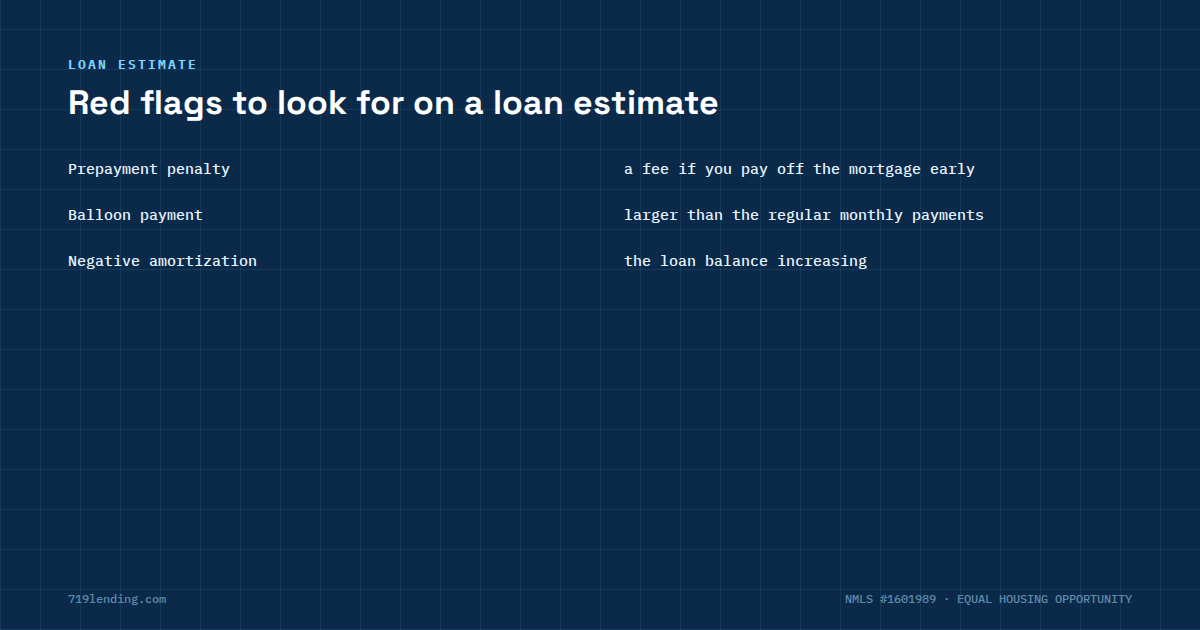
A CFPB Loan Estimate is the standardized three-page form every mortgage lender must send within three business days of receiving your application. This guide walks through all three pages — loan terms, closing costs, and comparison tools — and shows Colorado borrowers how to use the form to compare loan offers from different lenders.
Can You Negotiate Better Terms With a Debt Collector?
Is it possible to negotiate better terms with a debt collector than with the original creditor? According to the Consumer Financial Protection Bureau (CFPB), the answer is often yes — the Bureau’s own guidance says you may have more room to negotiate with a debt collector than you did with the original creditor. This article explains why, walks through the CFPB’s three-step settlement process, and covers what to do if a debt collection lawsuit lands on your doorstep. It is written for Colorado borrowers working to clean up old debt — often ahead of a mortgage application.
Is it possible to negotiate better terms with a debt collector than with the original creditor?
Yes, in many cases. The CFPB’s guidance on settling with debt collectors says plainly that you may have more room to negotiate with a debt collector than you had with the original creditor.
That does not mean a collector must accept less than the full amount. It means the negotiating dynamics are different once a debt leaves the original creditor’s hands, and borrowers who come prepared with a realistic proposal often find collectors willing to discuss a settlement or repayment agreement.
To understand why, it helps to know who is actually on the other end of the phone calls.
Original creditor vs. debt collector vs. debt buyer: who are you dealing with?
The original creditor is the company that gave you the loan or credit in the first place. Original creditors may attempt to collect a past-due debt or account themselves, or they may hire a debt collector to do it.
A debt collector is generally a third party contracted to collect the debt or account. That is why third party debt collectors and collection agencies often contact you under a name you do not recognize — the name may be different from the original creditor who extended the credit.
Where the debt buyer fits in
The original creditor may also sell your debt or account to another party — commonly called a debt buyer — who may then collect the debt itself or place it with a different debt collector.
So the same original debt can pass through several hands: original creditor, then a debt buyer, then one or more collection agencies. Knowing which party currently holds or is collecting the debt matters, because your negotiation and your paperwork need to be with the right company.

Once you know who you are dealing with, the CFPB lays out a three-step process for debt settlement negotiations.
Step 1: confirm that you actually owe the debt
When debt collectors first contact you, they must give you certain information about the debt they say you owe, or provide it within five days of first communicating with you. Generally, debt collectors must provide this validation information in writing, either by mail or electronically.
This validation information helps you figure out whether you owe the debt at all, and it explains how to dispute the debt if you do not.
If you are unsure who you owe money to or how much the balance owed actually is, you can request that the debt collector provide more information about the debt. Never negotiate — and never pay — a debt you have not confirmed.
Once the debt is confirmed, the next step is honest math about your own financial situation.
Step 2: calculate a realistic repayment plan
Before you propose anything, the CFPB recommends asking yourself two questions.
How much can you realistically afford each month?
Review your current financial obligations. Write down your monthly take-home pay and your monthly expenses, including the amount you want to repay each month toward this debt.
Leave some income unallocated to cover unexpected expenses and emergencies. Falling behind on other bills while paying off this debt can create more problems than it solves — and for Colorado Springs military families, a PCS move can add exactly the kind of surprise expense that derails a plan built too tight.
What total amount are you willing to pay to settle the debt?
Decide the total amount you are willing to pay to resolve the entire debt. That could be one payment — a lump sum settlement — or a series of smaller partial payments over an extended period. Do not commit to more than you can afford.
If you have more than one debt with the same debt collector, you can direct the collector to apply your payments to a specific debt. Debt collectors are not allowed to apply a single payment across multiple debts that you are disputing.
With a number and a structure in hand, you are ready to make the proposal.
Step 3: make the repayment proposal and get it in writing
When you talk to the debt collector, explain your financial situation and lay out your plan — the monthly payment or the lump sum you can offer to settle the debt. It can also help to work through a non-profit credit counselor or an attorney, who can help you build a budget and deal with the collectors on your behalf.
Record the agreement before you pay
If the collector agrees to a repayment or settlement plan, get the plan and the debt collector’s promises in writing before you make any payment. Those promises may include stopping collection efforts and ending or forgiving the debt once you have completed the plan.
A verbal agreement protects no one. The written agreement is what you will point to if the account resurfaces later — including when a mortgage underwriter reviews your credit report.
Negotiating yourself is one path. Paying a company to negotiate for you is a different story.
Should you use a debt settlement company?
The CFPB warns consumers to avoid companies that charge money in advance to settle debts for you. Dealing with debt settlement companies can be risky.
Some debt settlement companies promise more than they can deliver. Certain creditors may also refuse to work with the debt settlement company you choose, and in many cases the company will not be able to settle the debt for you anyway.
A non-profit credit counselor or an attorney is the alternative the CFPB points to for help with debt settlement negotiations. That guidance becomes even more important if the collection effort escalates into court.
What if a debt collector sues you?
If you are sued — or “served” — by a creditor or debt collector over an unpaid debt, read the lawsuit carefully and respond, personally or through a lawyer, by the date specified in the court papers.
Why responding to the lawsuit matters
When you respond, the debt collector has to prove to the court that the debt is valid. Responding does not mean you are agreeing that you owe the debt.
If you do not respond, the court can enter a default judgment against you for the amount claimed, plus lawful additional fees for collection costs, interest, and attorney fees as allowed by the judgment. You may lose the ability to dispute the debt, and depending on your state’s laws the creditor may be able to garnish your wages, place a lien against your property, or move to freeze funds in your bank account.
You may also still be able to negotiate a compromise or settlement with the debt collector before the court enters a judgment — which is one more reason acting early beats waiting.
Limits on lawsuit threats
Under the Fair Debt Collection Practices Act (FDCPA), a debt collector cannot use the threat of a lawsuit to collect a debt if they do not intend to file one. They also cannot sue or threaten to sue after the statute of limitations — the period of time allowed to file a debt collection lawsuit — has expired.
Federal laws also protect you from harassment during the process itself.
Know your rights during debt collection
The FDCPA prohibits debt collectors from placing repeated or continuous phone calls or conversations with the intent to harass, oppress, or abuse you.
If you are having an issue with debt collection, you can submit a complaint with the CFPB. Attorneys with FDCPA experience can explain both your federal and state protections; some offer free services or reduced fees, and legal aid offices or clinics may help for free if you meet their criteria.
Servicemembers in the Colorado Springs area have an extra resource: the CFPB directs military borrowers to their local JAG office, the JAG Legal Assistance Office locator, or their installation’s financial readiness office for help with debt collection issues.
Your next step
Start by requesting the validation information in writing and confirming the debt is yours. Then build a realistic budget, decide on a lump sum or payment plan, make the proposal, and get every term in writing before paying.
If you are resolving old collections as part of getting mortgage-ready in Colorado Springs, talk with the team at 719 Lending about how your credit report and debt-to-income ratio fit into a home loan plan — and bring questions about tax treatment of any settled debt to a tax professional, since tax treatment varies.
Frequently asked questions
Why might a debt collector negotiate more than the original creditor?
The CFPB states that you may have more room to negotiate with a debt collector than you did with the original creditor. Original creditors may collect themselves, hire a collector, or sell the account to a debt buyer — and once a third party is collecting, a prepared repayment or settlement proposal is often on the table.
What should I do before negotiating with a debt collector?
Confirm the debt first. Collectors must provide validation information about the debt, generally in writing, either at first contact or within five days of first communicating with you. Then calculate a realistic monthly payment and the total amount you are willing to pay to settle the debt.
Should I get a debt settlement agreement in writing?
Yes. The CFPB says to get the plan and the debt collector’s promises in writing before you make a payment — including promises to stop collection efforts and to end or forgive the debt once you complete the plan.
Are debt settlement companies safe to use?
The CFPB warns that dealing with debt settlement companies can be risky and says to avoid companies that charge money in advance. Some promise more than they can deliver, certain creditors may refuse to work with them, and in many cases they cannot settle the debt anyway. A non-profit credit counselor or attorney is an alternative.
What happens if I ignore a debt collection lawsuit?
The court could enter a default judgment against you for the amount claimed plus lawful fees, interest, and attorney fees as allowed. Depending on your state’s laws, the creditor may then be able to garnish wages, place a lien on property, or move to freeze bank funds. Responding by the deadline preserves your defenses and your chance to settle.
Where can military members in Colorado Springs get debt collection help?
The CFPB directs servicemembers to consult their local JAG office, use the JAG Legal Assistance Office locator, or ask their installation’s financial readiness office for information about debt collection rights.
719 Lending Inc., NMLS #1601989 · Equal Housing Opportunity
719 Lending Inc. is not affiliated with or endorsed by HUD, FHA, VA, USDA, CHFA, the CFPB, or any government agency.
Last updated: October 2026

Related Posts