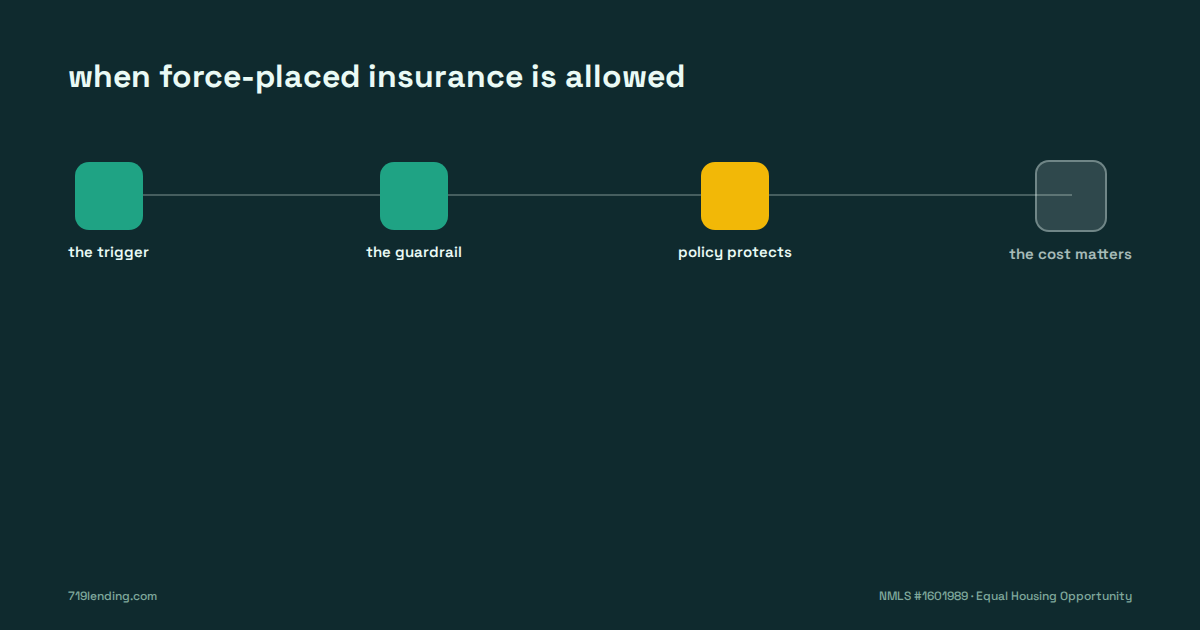
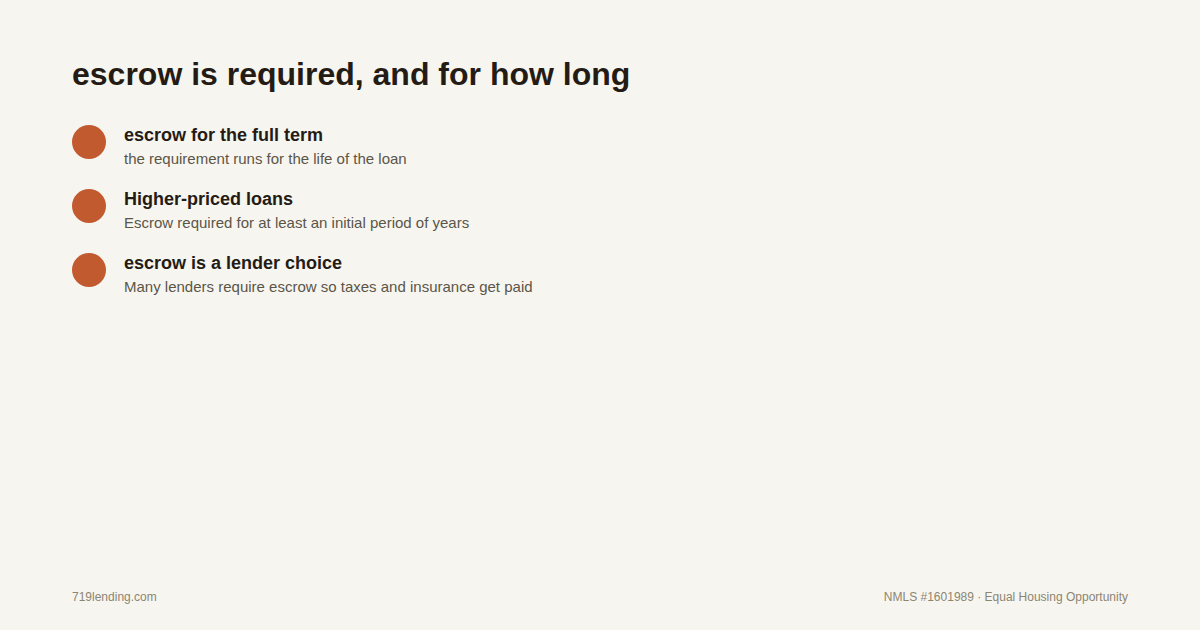
Force-placed insurance shows up on a mortgage statement when a servicer believes the homeowner's hazard insurance has lapsed. Here is exactly when a mortgage servicer is allowed to charge for a force-placed policy, what federal rules require, and how Colorado homeowners can dispute the charge and get their own coverage recognized.
What Is the Main Risk of Taking Out a PACE Loan?
What is the main risk of taking out a PACE loan for home improvements? In plain terms: because a PACE loan is repaid through your property tax bill, falling behind can put your home into a tax sale. This article explains how that mechanism works, the other risks the Consumer Financial Protection Bureau flags, and what Colorado homeowners should do before signing a PACE contract.
What is the main risk of taking out a PACE loan for home improvements?
The main risk is losing your home. PACE stands for Property Assessed Clean Energy, and the loan is repaid as an assessment added to your property taxes.
If you cannot afford the payments, the delinquency is handled like unpaid property taxes. That exposes you to a tax sale, which is a more direct path to losing the home than falling behind on an ordinary home improvement loan.
Everything else about PACE risk flows from that single design choice, so it helps to see how the financing actually works.
How PACE financing actually works
A PACE loan lets you borrow for home upgrades, often energy efficient improvements like solar panels or insulation, by increasing your property tax payment. You may hear about PACE programs from door-to-door salespeople or contractors.
PACE programs are approved by some states and run by your local government, or by a private company your local government hires. The U.S. government does not pay for or insure PACE loans.
No down payment, but real costs later
PACE financing may require no down payment, which can look attractive if you have necessary repairs and limited cash. But PACE loans carry fees and interest that you repay over time, just like a normal loan.
Repayment can run for five, 10, or 20 years, and the assessment added to your property tax bill can be large. That repayment structure is what creates the next layer of risk.
Why repayment through property taxes raises the stakes

Unpaid property taxes are collected aggressively, and a delinquent PACE assessment rides along with them. The Consumer Financial Protection Bureau warns that this could put you at risk of losing your home through a tax sale.
PACE gets paid before your mortgage
If you have a mortgage, your mortgage company treats the PACE assessment like property taxes. If the home goes to tax sale, any delinquent portion of the PACE loan is paid before the mortgage company receives anything.
Your escrow account and monthly payment
If your mortgage has an escrow account for taxes and insurance, most servicers will add the PACE payments into escrow to make sure they are paid on time. That causes the monthly mortgage payment to rise.
If you do not have an escrow account, you must save on your own to cover the PACE assessment with your property taxes. Either way, affordability is the next thing to examine closely.
Unaffordable payments and the “pays for itself” pitch
You repay the PACE loan plus interest and fees with your property taxes each year until it is paid off. The term may be longer or shorter than other loan types, which affects the size of the payments.
Salespeople may claim the home improvement project will “pay for itself” through lower utility bills or rebates. They are not required to prove that, and for some projects funded through PACE those statements may not be true.
Even if the payments fit today, PACE can complicate your options later, especially when it is time to sell or refinance.
Trouble selling or refinancing your home
If you sell before the PACE loan is paid off, the buyer becomes responsible for continuing the payments and inherits the same risk of losing the home if payments stop.
Most lenders will not make a mortgage to a buyer when there is a PACE loan on the house, and most will not refinance a mortgage with an outstanding PACE assessment. That can shrink your pool of buyers if you cannot pay the PACE loan off.
For military families in Colorado Springs who may face a PCS move on short notice, an assessment that complicates a sale deserves extra scrutiny before signing. Resale friction leads directly into the equity problem.
Loss of home equity
If the home goes to tax sale, the taxing authority collects unpaid taxes, delinquent PACE payments, and penalties. That can take a large chunk of your home equity.
Less equity means less money for moving costs, retirement, or whatever you planned to use it for. And disputing the charges after the fact is harder than you might expect.
Limited options to dispute the work or costs
Because PACE is repaid through property taxes, you may have limited options if you are unsatisfied with the work or want to dispute the charges.
If you fall behind and have no mortgage escrow collecting your taxes, you may have to work with the local taxing authority. They may only be able to offer a short-term payment plan, which may not be affordable.
Who this matters for in Colorado
This applies to any homeowner approached by a contractor or salesperson offering PACE financing for a home improvement project, whether it is a roof, windows, solar panels, or other energy efficiency work.
Homeowners who are cash-strapped are the most common target, because the no-money-down pitch lands hardest when a repair cannot wait. If an outstanding PACE assessment can block a future refinance, that is a cost worth weighing before you sign.
What the official source says
The Consumer Financial Protection Bureau publishes consumer guidance on what to keep in mind before signing up for a PACE loan and a plain-English explainer on what a PACE loan is.
Both pages say the same core thing: understand the risks before signing, and shop around for other financing options first.
Alternatives worth comparing first
Eligible veterans and service members can look at a VA-backed cash-out refinance loan, which allows taking cash out of home equity to make home improvements, subject to a Certificate of Eligibility and lender standards for credit and income.
Closing costs apply to any refinance and can add up, so compare the full cost of each option, not just the monthly payment. Whatever route you consider, start with estimates.
Your next step
Get a written estimate for the home improvement project, then shop contractors and financing options before signing anything tied to your property tax bill.
If you are in Colorado Springs or anywhere in Colorado, talk to a 719 Lending loan officer about financing paths for your project and how a PACE assessment would affect a future sale or refinance.
Frequently asked questions
What is the main risk of a PACE loan?
The main risk is losing your home through a tax sale. PACE loans are repaid as an assessment on your property tax bill, so if you cannot afford the payments, the delinquency is treated like unpaid property taxes.
Does a PACE loan affect my mortgage payment?
It can. If your mortgage has an escrow account for taxes and insurance, most servicers add the PACE assessment into escrow to make sure it is paid on time, which raises the monthly mortgage payment.
Can I sell my house with a PACE loan on it?
You might face challenges. The buyer takes over the PACE payments and the same risks, and most lenders will not make a mortgage to a buyer when a PACE loan is on the house, which can limit your pool of buyers.
Can I refinance with an outstanding PACE loan?
Most lenders will not refinance a mortgage, or make a new mortgage, while there is an outstanding PACE loan on the property, according to the Consumer Financial Protection Bureau.
Is a PACE loan a government loan?
No. The U.S. government does not pay for or insure PACE loans. PACE programs are approved by some states and run by local governments or private companies hired by local governments.
Do PACE improvements really pay for themselves?
Not necessarily. Salespeople may claim the upgrades pay for themselves through lower utility bills or rebates, but they are not required to prove it, and for some PACE-funded projects those claims may not be true.
719 Lending Inc., NMLS #1601989 · Equal Housing Opportunity
719 Lending Inc. is not affiliated with or endorsed by HUD, FHA, VA, USDA, CHFA, the CFPB, or any government agency.
Last updated: October 2026

Related Posts