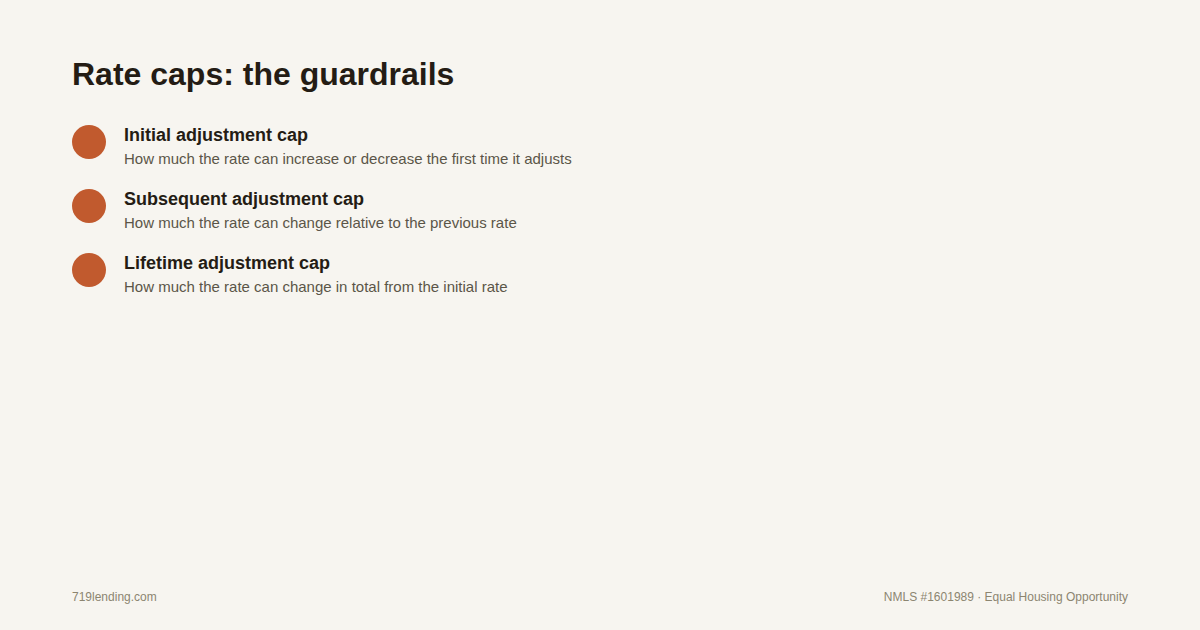
An adjustable-rate mortgage starts with an introductory period where the interest rate holds steady. When that period ends, the rate begins adjusting on a regular schedule based on an index plus a margin, subject to caps. Here is how the whole mechanism works and what to check before you sign.
Does the Lender’s Title Insurance Policy Protect Me?
Does the lender’s title insurance policy protect me as the buyer? The short answer is no — and this is one of the most common misconceptions in the entire mortgage process. This article explains exactly what lender’s title insurance covers, what it leaves out, and what owner’s title insurance does differently, written for Colorado buyers who are looking at that line item on their Closing Disclosure and wondering what they’re actually paying for.
Here is the core distinction, straight from the Consumer Financial Protection Bureau’s guidance:
- Lender’s title insurance protects the lender against problems with the title to the property. It only covers claims that affect the lender’s loan.
- Owner’s title insurance protects the homeowner if someone sues and says they have a claim against the home from before the purchase.
- Lender’s title insurance is usually required to get a mortgage loan. Owner’s title insurance is optional.
- If someone sues with a claim against the home, the buyer is the first person responsible — the lender’s policy does not step in for the buyer.
Does the lender’s title insurance policy protect me as the buyer?
No. Lender’s title insurance protects the mortgage lender’s financial interest in the property, not yours. The Consumer Financial Protection Bureau is direct about this: lender’s title insurance only protects the lender against problems with the title.
It does not protect your investment in the home — your equity. If a legal claim against the property surfaces after closing, you are the first person responsible for dealing with it.
That distinction surprises a lot of buyers, because the lender’s policy is something you typically pay for as part of closing costs. Paying for a policy and being protected by a policy are two different things.
To understand why, it helps to look at what the lender’s policy is actually designed to do.
What lender’s title insurance actually covers
The mortgage lender’s financial interest — nothing more
A lender’s title insurance policy protects the amount the lender lends. If a title defect or a legal claim against the property threatens the lender’s security interest in the home, the lender’s policy responds on the lender’s behalf.
The coverage runs to the lender, not to you. Your equity, your down payment, and your ownership stake sit outside the lender’s policy entirely.
Why the lender requires it
Lender’s title insurance is usually required to get a mortgage loan. The lender is extending a large sum secured by the property, and the lender wants assurance that its lien position isn’t undermined by a title problem no one caught before closing.
So the requirement exists to protect the lender’s investment in the transaction. It is a condition of the loan, not a consumer protection product for the buyer.
Which raises the obvious question: if the lender’s policy doesn’t protect you, what happens when a title claim actually shows up?
What happens if a title claim appears and you only have the lender’s policy
You are the first person responsible
The CFPB’s guidance is blunt: if someone sues with a claim against your home, you are the first person responsible. The lender’s title insurance policy only covers claims that affect the lender’s loan.
That means a title dispute could land on you — the legal fight, the legal costs, the risk to your ownership — while the lender’s policy does its job of protecting only the lender’s side of the loan.
Your equity is exposed. Every mortgage payment you’ve made, your original down payment, and any appreciation in the home’s value are part of your financial stake, and the lender’s policy was never designed to cover any of it.
Where the claims come from
Legal claims against a property’s title reach back before your ownership. The CFPB gives two concrete examples: a previous owner’s failure to pay taxes, and contractors who say they were not paid for work done on the home before you purchased it.
In both cases, the problem predates you — but it attaches to the property, so it becomes your problem the day you take title.
This is exactly the gap owner’s title insurance exists to fill.
What owner’s title insurance protects
Your ownership and your equity
Owner’s title insurance protects the homeowner if someone sues and says they have a claim against the home from before the homeowner purchased it. In other words, it protects the thing the lender’s policy ignores: you.
The CFPB describes an owner’s title insurance policy as helping protect your financial investment in the home. Where the lender’s policy defends the loan, the owner’s policy is the coverage that stands behind the buyer’s equity.
How title transfers in the first place
When you purchase a home, you receive a document usually called a deed. The deed shows the seller transferred their legal ownership — the title — to you.
Title insurance exists because that transfer can carry hidden baggage. A claim rooted in something a previous owner did, or failed to do, can surface long after closing, and an owner’s title insurance policy is what responds on the homeowner’s behalf when it does.
Because coverage details vary from policy to policy, it’s worth reading the actual owner’s policy — or asking the title insurance company directly — about how specific title defects, ownership disputes, or issues like missing heirs and clerical errors in public records would be handled under that policy.

Seeing the two policies side by side makes the division of labor obvious.
Lender’s policy vs. owner’s policy at a glance
| Question | Lender’s title insurance | Owner’s title insurance |
|---|---|---|
| Who is protected? | The mortgage lender | The homeowner |
| What does it protect? | The amount the lender lends | Your financial investment in the home |
| Is it required? | Usually required to get a mortgage loan | Optional — the buyer’s choice |
| Who handles a claim against the home? | Only claims that affect the lender’s loan | Claims against the home from before you purchased it |
| If someone sues, who is first responsible? | You are — the lender’s policy doesn’t defend the buyer | The owner’s policy exists to protect the homeowner in that scenario |
One more source of confusion is worth clearing up: title insurance is not the same thing as homeowners insurance.
Title insurance is not homeowners insurance
Homeowners insurance covers the physical property — and your mortgage servicer will require you to keep a homeowners insurance policy in force. If your coverage lapses, the servicer can charge you for force-placed insurance, which the CFPB notes is usually more expensive than finding a policy yourself and, in many instances, protects only the lender.
Title insurance, by contrast, has nothing to do with fire, hail, or theft. It deals with legal ownership — whether someone else can assert a claim against the property’s title.
Another difference: homeowners insurance premiums are often paid ongoing through an escrow account, while title insurance premiums are typically handled as part of closing on the real estate transaction.
Notice a pattern in force-placed insurance and lender’s title insurance alike: coverage arranged around the loan tends to protect the lender. Protection for you is something you choose deliberately.
How title insurance shows up in your closing costs
On the Loan Estimate and Closing Disclosure
Title insurance costs appear in your loan paperwork alongside other closing costs. Depending on the state where you’re buying, your settlement agent, lawyer, lender, real estate agent, or title insurance company might give you an itemized list of fees at closing, including the title insurance cost.
That itemized list can look different from what appears on your Loan Estimate or Closing Disclosure. The CFPB notes this does not necessarily mean you’re being charged the wrong amount — the documents can present the same charges differently.
If the numbers don’t seem to line up, ask your loan officer or the title insurance company to walk you through the reconciliation before you sign.
You can shop for the title insurance company
You can usually shop for the title insurance provider separately from the mortgage. The CFPB points out that if you shop for title insurance, you could save money.
And if you choose to buy owner’s title insurance, the total cost is usually lower when you use the same provider for both the lender’s policy and the owner’s policy, compared to buying the two policies separately.
That bundling detail matters for the decision itself: the marginal cost of adding an owner’s policy at closing is a question worth pricing with the title company before you dismiss the coverage.
What about the title search?
That research — commonly called a title search — is how most known issues get flagged and resolved before closing.
A claim that isn’t visible in those records can still surface after you own the home, which is why title insurance exists at all: it responds to problems the search didn’t reveal.
The practical takeaway: a clean title search at closing is reassuring, but it isn’t the same as ongoing protection for the buyer. Only an owner’s title insurance policy provides that.
For buyers in this market, there’s one more local wrinkle worth thinking about.
Why this matters for Colorado Springs and military buyers
Colorado Springs is a heavily military market. Buyers relocating on PCS orders to Fort Carson, Peterson, or Schriever often move through the mortgage process on a compressed timeline, and title insurance is easy to gloss over as just another line on the closing paperwork.
That’s exactly how the misconception spreads. A buyer sees “title insurance” on the Closing Disclosure, assumes they’re covered, and never realizes the required lender’s policy protects only the lender’s loan.
Whether you’re using a VA loan, a conventional loan, or another program, the title insurance mechanics work the same way: the lender’s policy is about the lender’s investment, and protecting your own equity is a separate decision you make at closing.
If you might sell in a few years on your next set of orders, remember that ownership disputes don’t respect your timeline — a claim rooted in a previous owner’s actions can appear at the worst possible moment, including when you’re trying to sell.
Your next step
Before closing, ask three questions: What does the lender’s title insurance policy on this transaction cover? What would an owner’s title insurance policy from the same provider add? And what coverage details apply to this specific property?
Your settlement agent or title insurance company can quote both policies together, and your loan officer can show you where each charge sits on the Closing Disclosure.
If you’re buying in Colorado Springs or anywhere along the Front Range and want a plain-English walkthrough of your title insurance options and the rest of your closing costs, talk to a 719 Lending loan officer before you get to the closing table — not after a claim shows up.
Frequently asked questions
Does lender’s title insurance protect the buyer?
No. Lender’s title insurance protects only the lender against problems with the title to the property, and it only covers claims that affect the lender’s loan. It does not protect the buyer’s equity or ownership. If someone sues with a claim against the home, the buyer is the first person responsible.
Is owner’s title insurance required?
No. Lender’s title insurance is usually required to get a mortgage loan, but owner’s title insurance is optional. The owner’s policy is the one that protects the homeowner if someone claims an interest in the home from before the purchase, so many buyers choose to add it at closing.
What kinds of title problems can affect a new homeowner?
Legal claims can come from before you owned the home — for example, a previous owner’s failure to pay taxes, or contractors who say they were not paid for work done on the home before you purchased it. These claims attach to the property, which is why they become the new owner’s problem.
Can I shop around for title insurance?
Usually, yes. You can typically shop for the title insurance provider separately from the mortgage, and shopping could save you money. If you buy owner’s title insurance, the total cost is usually lower when the same provider issues both the lender’s policy and the owner’s policy.
Why is the title insurance charge different from my Loan Estimate?
Depending on your state, the settlement agent, lawyer, lender, real estate agent, or title insurance company may give you an itemized fee list at closing that looks different from the Loan Estimate or Closing Disclosure. That doesn’t necessarily mean you’re being charged the wrong amount — ask to have the figures reconciled before you sign.
Is title insurance the same as homeowners insurance?
No. Homeowners insurance covers the physical property, and your mortgage servicer requires you to keep it in force — otherwise the servicer can charge for force-placed insurance, which in many instances protects only the lender. Title insurance deals with legal ownership of the property, not physical damage.
719 Lending Inc., NMLS #1601989 · Equal Housing Opportunity
719 Lending Inc. is not affiliated with or endorsed by HUD, FHA, VA, USDA, CHFA, the CFPB, or any government agency.
Last updated: August 2026

Related Posts