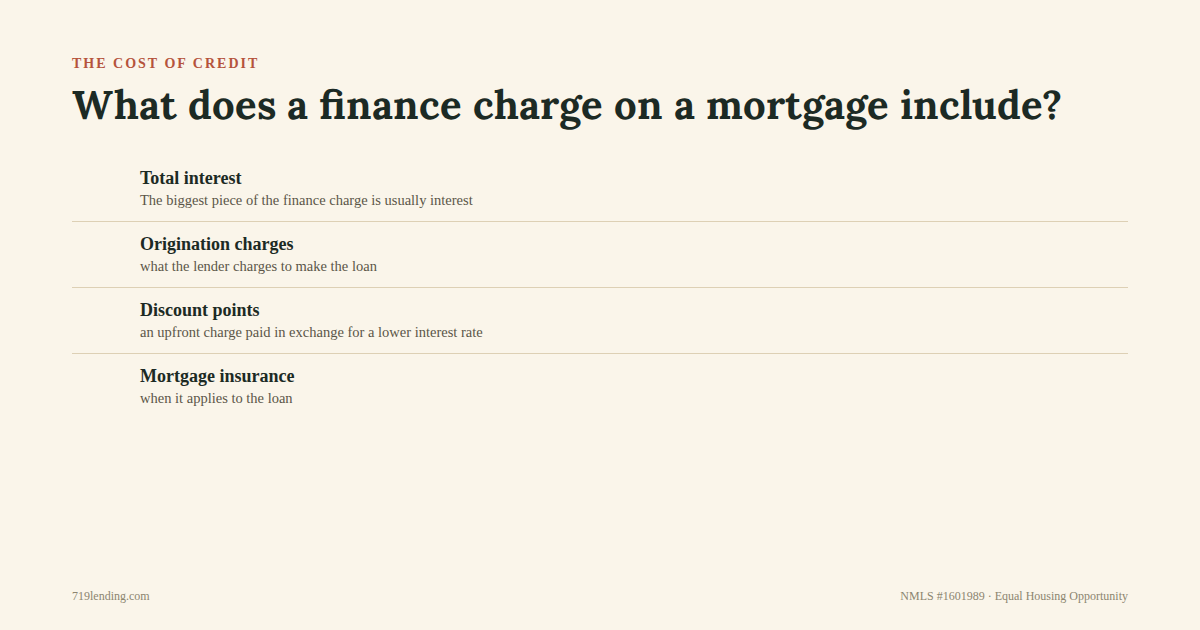
The finance charge on a mortgage is the total interest plus loan charges you would pay over the full life of the loan. We break down exactly what counts, what doesn't, and where to find the number on your Closing Disclosure.
Protect Yourself From Fake New Owners After Foreclosure
If you want to know how you can protect yourself from scammers claiming to be the new property owner after foreclosure, the short answer is: verify before you pay, sign, or open the door. This guide walks tenants and former homeowners through the exact verification steps the Consumer Financial Protection Bureau recommends, the warning signs of foreclosure scams, and what to do next.
It matters because foreclosure filings are public records. Anyone — including scam artists — can look up which properties just went through a foreclosure sale and knock on the door pretending to own the place.
How can I protect myself from scammers claiming to be the new property owner after foreclosure?

The Consumer Financial Protection Bureau’s guidance is direct: if someone contacts you claiming to be the new property owner, ask to see documents that show ownership. Do this before paying rent, signing a new lease agreement, or allowing them to come inside the property.
Here is the core checklist:
- Ask for documents proving ownership before handing over any money or signature.
- Independently verify the claim at the county office where deeds are recorded — often called the land records, recorder, auditor, or assessor office.
- Check court filings against your landlord to confirm whether a foreclosure actually happened.
- Contact your landlord and the sender of any foreclosure notice posted on the property.
- Never sign anything — a lease, a payment agreement, a quit claim deed — that you do not fully understand.
Each of those steps deserves a closer look, starting with who is actually at risk.
Who these foreclosure scams target
Scammers review publicly available foreclosure recordings and may contact tenants living in foreclosed properties to falsely demand rent. The CFPB flags this tactic specifically.
Renters are the primary target because they often learn about a foreclosure late and get confusing or conflicting information from the landlord. A landlord may call the foreclosure a mistake or say the problem has been resolved, which leaves tenants unsure who to believe when a stranger shows up claiming title.
Former homeowners are exposed too. Each state has its own process for eviction after the foreclosure sale, and the uncertainty about timing creates an opening for anyone waving forged documents.
The Colorado Springs angle
Colorado Springs is a heavily military rental market. Service members on PCS orders frequently rent single-family homes near Fort Carson, Peterson, and Schriever, and may never meet the actual owner in person — exactly the situation where a fake new owner story can work.
If you receive mail or a foreclosure notice at a rental here, treat it seriously even if your landlord waves it off. Next, let’s cover how to verify a foreclosure claim yourself.
How to verify who really owns the property
Ownership of real estate is a matter of public records, which means you can check it without anyone’s permission.
Step one: ask for proof in writing
Ask the person claiming to be the new property owner for documents showing ownership. A legitimate new owner after a foreclosure sale will have paperwork and will not object to you reviewing it before you pay rent or sign anything.
Refusal, vagueness, or pressure to pay first is itself a warning sign.
Step two: check the county records
Go to the office where deeds are recorded in the county where the property is located. Depending on the county, this office may be called the land records office, auditor, recorder, or assessor — in El Paso County, start with the county office that records deeds.
This is where a foreclosure notice or a document often called a lis pendens gets recorded. If the records do not show a completed sale or a transfer of title to the person contacting you, do not pay them.
Step three: check court filings and contact the notice sender
You can also check court filings against your landlord to see whether a foreclosure case actually exists. If notices of a possible foreclosure are delivered to or posted on the property, contact the sender right away and tell them you are a tenant.
Contact your landlord as well. Confirming the story from multiple directions makes it much harder for scammers to succeed. Once you can verify ownership, the next question is spotting the scams that do not involve a fake owner at all.
Warning signs of foreclosure rescue and deed scams
Fake new owners are one flavor of foreclosure fraud. So-called foreclosure rescue pitches aimed at struggling homeowners deserve the same skepticism, and the pattern is similar: urgency, secrecy, and a demand for money or a signature.
Treat these as red flags worth slowing down for:
| Red flag | Safer move |
|---|---|
| Someone demands rent or an upfront fee before showing ownership documents | Verify title at the county recorder or land records office first |
| Pressure to sign a new lease, a payment agreement, or a quit claim deed on the spot | Take the documents away, read them, and consult an attorney or legal aid |
| Claims the foreclosure was a mistake or has been resolved | Check court filings and recorded documents yourself |
| Requests to come inside the property before proving ownership | Keep the door closed until you have seen proof |
| Promises or guarantees about stopping the foreclosure | Talk to a HUD-approved housing counselor or an attorney before acting |
Questions about a loan modification or other options to avoid foreclosure belong with your mortgage servicer or a no-cost HUD-approved housing counselor, not with a stranger who found you through foreclosure records.
Knowing the red flags is half the job. The other half is knowing the rights you already have.
Know your rights during and after foreclosure
In every state, a homeowner has the right to stay in the home during the entire foreclosure process. How long you may stay after the foreclosure sale depends on the state where you live, because each state has its own process for foreclosure and for eviction after the sale.
For tenants, state and local laws may offer additional protections, and they vary greatly from state to state. Useful questions to answer for your situation include how long the foreclosure may take, how much time you have to move after a foreclosure sale, and whether other tenant protections apply where you live.
Rent control, just cause eviction, and Section 8
Where rent control or just cause eviction laws apply, a foreclosure alone may not justify terminating your lease. Just cause laws limit the reasons a landlord can end a tenancy.
If you have a Section 8 voucher, the CFPB advises contacting your local housing authority and a legal aid lawyer immediately, because Section 8 leases usually can only be terminated for good cause.
Deposits, utilities, and cash for keys
If your landlord stopped paying the mortgage, your deposit or prepaid rent may be hard to recover, and you may need to take legal action to get it back. Watch for utility shut-off notices too — you may be able to keep service on by contacting the utility and paying directly, even if the account is in the landlord’s name.
If a verified new owner wants you to move, you can ask whether they will help with moving expenses. This is sometimes called a cash for keys agreement, and sometimes the bank or new owner is willing to do it — but only negotiate with someone whose ownership you have confirmed.
All of this comes straight from federal consumer guidance, which is worth reading in full.
What the official source says and where to read it
The primary authority here is the Consumer Financial Protection Bureau’s guidance for renters whose house or apartment goes into foreclosure, available at consumerfinance.gov. It covers notices, verification at the county records office, tenant protections, deposits, and the fake-new-owner scam directly.
The CFPB’s companion page on how long you can stay after foreclosure starts explains the state-by-state timeline question and points to no-cost help from HUD-approved housing counseling agencies. It also notes that homeowners with a Federal Housing Administration mortgage may have additional rights to stay in the home after foreclosure — a housing counselor can explain those.
If you need an attorney, the CFPB points to American Bar Association resources and local legal aid offices or volunteer attorney programs. That brings us to your concrete next steps.
What to do next
If someone has already contacted you claiming to be the new owner: pay nothing, sign nothing, and verify title at the county office that records deeds before responding further. Keep copies of everything they gave you.
If you are a homeowner worried about missing mortgage payments, contact your mortgage servicer early and ask about options to avoid foreclosure, and get free guidance from a HUD-approved housing counselor before paying anyone who promises results.
And if a past foreclosure is behind you and you are thinking about buying again in Colorado Springs, the team at 719 Lending can walk through where you stand and what a realistic path back to a mortgage looks like — reach out to a local loan officer to start the conversation.
Frequently asked questions
Should I pay rent to someone claiming to be the new owner after foreclosure?
No — not until they show documents proving ownership and you verify the transfer of title at the county office where deeds are recorded. The CFPB warns that scammers review publicly available foreclosure recordings and falsely demand rent from tenants in foreclosed properties.
How do I verify who owns a home after a foreclosure sale?
Check the office where deeds are recorded in the county where the property is located — commonly called the land records, recorder, auditor, or assessor office. You can also check court filings against your landlord to confirm a foreclosure actually occurred.
How long can I stay in the home after a foreclosure sale?
It depends on the state where you live. Each state has its own foreclosure and post-sale eviction process, so check with your county clerk’s office, a legal services provider, or a HUD-approved housing counseling agency for the rules in your area.
What is a cash for keys agreement?
It’s an arrangement where the bank or the verified new owner after a foreclosure sale gives you money toward moving expenses in exchange for moving out. Only negotiate one after you have confirmed the person’s ownership through county records.
What are the warning signs of a foreclosure rescue scam?
Demands for an upfront fee, pressure to sign documents like a quit claim deed on the spot, guarantees about stopping the foreclosure, and refusal to show ownership paperwork. Legitimate help is available at no cost through HUD-approved housing counselors.
Can I get my security deposit back if my landlord was foreclosed on?
It may be difficult. If the landlord did not refund your deposit or transfer it to the new owner after the foreclosure sale, you may need to take legal action to recover it. A local legal aid office can help you evaluate your options.
719 Lending Inc., NMLS #1601989 · Equal Housing Opportunity
719 Lending Inc. is not affiliated with or endorsed by HUD, FHA, VA, USDA, CHFA, the CFPB, or any government agency.
Last updated: October 2026

Related Posts