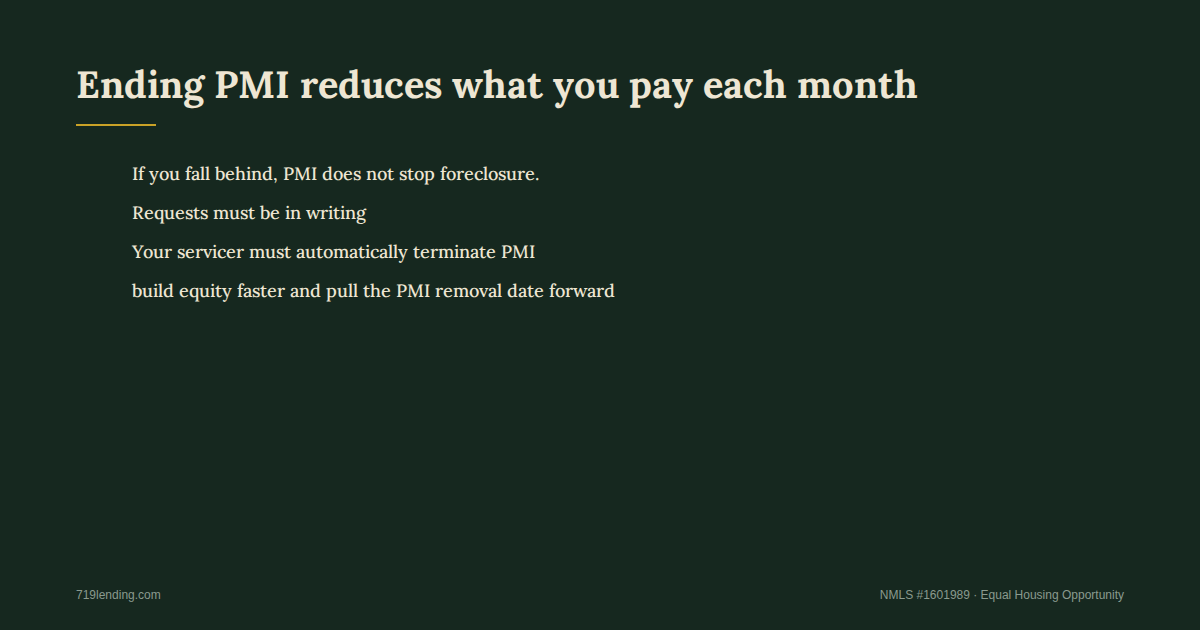
Private mortgage insurance protects the lender, not you, and it adds to your monthly mortgage payment. Here is the main benefit of removing PMI, when federal law says you can cancel it, and the exact steps Colorado homeowners can take to request PMI removal from their servicer.
Options Besides a CFPB Complaint for Mortgage Issues
If you are asking what other option you have besides complaining to the CFPB about your mortgage issue, the short answer is that you have several, and some of them work faster because they go straight to the people who can actually change your account. This guide walks Colorado borrowers through each path: the mortgage servicer, HUD-approved housing counselors, the right of rescission, and legal help.
The Consumer Financial Protection Bureau itself points people to these same alternatives on its Ask CFPB pages, so none of this is a workaround. It is the process the federal agency recommends.
The direct answer: you have several options
According to the CFPB, a borrower with a mortgage problem can do any of the following in addition to filing a complaint:
- Discuss the issue directly with the lender or mortgage servicer
- Contact a HUD-approved housing counseling agency for free, expert assistance
- Call the HOPE Hotline, open 24 hours a day, seven days a week, at (888) 995-HOPE (4673)
- Exercise the right of rescission on certain non-purchase money mortgages shortly after closing
- Consult your own attorney, especially if foreclosure is imminent or you have been served with legal papers

Which one fits depends on what kind of mortgage issue you have, so let’s take them in the order most borrowers should try them.
Start with your mortgage servicer or mortgage company
The mortgage servicer is the company that sends the monthly mortgage statement, responds to borrower inquiries, and keeps track of principal and interest paid. It may not be the lender who originated the mortgage loan.
The CFPB’s own guidance says that if you have a problem with the mortgage closing process, you should discuss the issue with your lender. Most servicing problems, misapplied payments, statement questions, escrow confusion, get resolved at this level because the mortgage company controls the account.
What to have ready when you call
Find the servicer’s phone number on your monthly statement, your coupon book, or the servicer’s website. If you can’t identify the servicer, a HUD-approved housing counseling agency can help you figure it out.
Be prepared to explain what happened, whether the problem is temporary or permanent, and details about your income, expenses, and other assets like cash in the bank.
Military borrowers: mention PCS orders
Colorado Springs is a heavily military market, and this detail matters. If you are a servicemember who has received permanent change of station (PCS) orders, tell the servicer, because you could qualify for loss mitigation options because of your military move.
If the servicer can’t or won’t fix the problem, the next stop is free professional help.
Call a HUD-approved housing counseling agency
Through the Department of Housing and Urban Development, you can find a counseling agency near you at little or no cost. This is the CFPB’s own recommendation for borrowers worried about missing a payment or trying to avoid foreclosure.
What a housing counselor can do
- Discuss your situation and whether you qualify for programs or additional help
- Explain the loss mitigation options your servicer offers and which might work for you
- Guide you through working with the servicer and the paperwork involved
- Help with budgeting, credit card debt, or other money problems making the mortgage hard to pay
You can look up a HUD-approved agency online or call the HOPE Hotline at (888) 995-HOPE (4673), any hour, any day. Counseling is a resource; the next option is a legal right with a clock on it.
Check whether the right of rescission applies
If your mortgage issue is a refinance or home equity loan you just closed and regret, you may not need to file a complaint at all. The right of rescission lets you cancel most non-purchase money mortgages, loans not used to buy the home, within three business days of closing, for any reason or no reason.
How the three-day clock works
The clock starts only after all three events happen: you sign the credit contract (usually the Promissory Note), you receive the accurate Truth in Lending disclosure (in most cases the Closing Disclosure), and you receive two copies of the notice explaining the right to rescind. Business days include Saturdays but not Sundays or legal public holidays.
How to exercise the right to cancel
You must notify the lender in writing, using the lender’s form or your own letter, delivered or mailed before midnight of the third business day. Calling or visiting is not enough, and keep a copy for yourself.
Within 20 calendar days after the lender receives your rescission notice, all money or property you paid as part of the transaction must be returned to you. If the lender never gave you the required disclosures or made certain important mistakes on them, the cancellation right may extend up to three years, and the CFPB says to consult a lawyer right away if you think that applies.
One warning from the source: rescinding a refinance does not erase the original loan. You still have to pay it. That leads naturally to when legal help makes sense.
Bring in an attorney when the stakes are legal
The CFPB notes you may wish to have your own attorney look at your mortgage issue. If you are facing imminent foreclosure or have been served with legal papers, consulting an attorney moves from optional to important.
An attorney is also the right move for the extended rescission scenarios described above. Legal disputes are different from servicing errors, and different from simply having trouble paying.
If you’re having trouble paying, ask about loss mitigation
Many mortgage servicers have programs to help people avoid foreclosure. If the servicer gives you a mortgage assistance application, fill it out; the servicer assesses it and tells you what loss mitigation options, if any, are available.
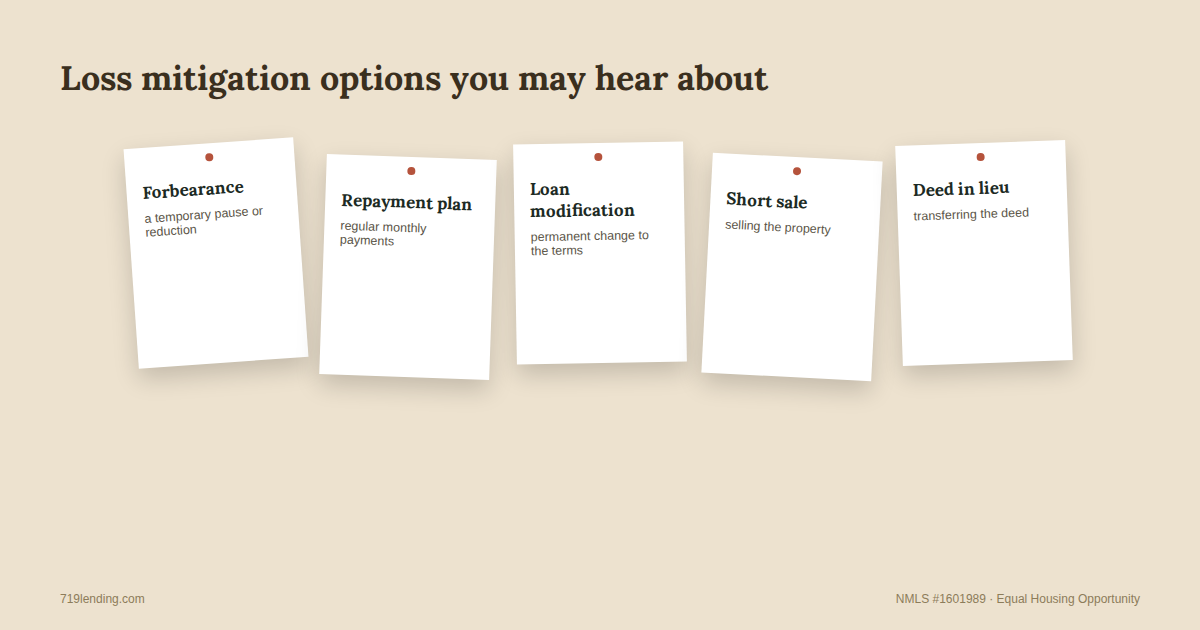
Options a servicer might make available include a refinance, a loan modification, a repayment plan, forbearance, a short sale, or giving the home back through a deed-in-lieu of foreclosure. A HUD-approved counselor can help you weigh which of these fits your situation. Wherever money and stress meet, scammers follow, so know the warning signs.
Watch out for foreclosure rescue scams
You do not have to pay anyone to help you avoid foreclosure. The help you need is available at no cost from the servicer or a HUD-approved housing counseling agency.
Red flags the CFPB lists: you’re asked to pay upfront, the company guarantees a modification or that you won’t lose your home, you’re asked to sign over title or documents you don’t understand, you’re told to send payments to someone other than your mortgage company, the company offers a “forensic audit,” you’re told to stop paying, or the company claims government affiliation or uses a near-government seal.
When a CFPB complaint still makes sense
None of these options cancels your ability to file a complaint. The Consumer Financial Protection Bureau enforces federal consumer financial law and works to keep markets for consumer financial products transparent, fair, and competitive, and it accepts consumer complaints online or by phone at (855) 411-CFPB (2372).
When you submit a complaint, the CFPB forwards it to the company and works to get you a response. Filing a complaint and calling the servicer are not mutually exclusive; many borrowers do both.
Your next step
Call the mortgage servicer first, then a HUD-approved housing counseling agency if you need backup, and an attorney if legal papers are involved. And if part of your issue is that the current mortgage loan no longer fits your situation, the team at 719 Lending in Colorado Springs can walk through what a refinance or new loan would look like, no complaint form required.
Frequently asked questions
Can I cancel my refinance after signing the closing documents?
Often yes. For most non-purchase money mortgages, like refinances and home equity loans, the right of rescission gives you three business days after closing to cancel for any reason. You must notify the lender in writing before midnight of the third business day; a phone call is not enough.
Who do I call if I can’t pay my mortgage?
Call your mortgage servicer right away using the number on your monthly statement, and contact a HUD-approved housing counseling agency for free expert help. You can also call the HOPE Hotline at (888) 995-HOPE (4673), available 24/7.
Does working with my servicer stop me from filing a CFPB complaint later?
No. You can discuss the issue with your lender or servicer and still submit a complaint to the CFPB online or at (855) 411-CFPB (2372). The CFPB forwards the complaint to the company and works to get you a response.
How do I spot a foreclosure rescue scam?
Warning signs include upfront fees, guarantees that you won’t lose your home, requests to sign over title, instructions to send payments to someone other than your mortgage company, offers of a ‘forensic audit,’ advice to stop paying, or fake government affiliation. Legitimate help from your servicer or a HUD-approved counselor is available at no cost.
I inherited a home with a mortgage — who do I contact?
Contact the mortgage servicer and inform them you inherited the home. You may need to show proof of your right to the property, such as the executed will and death certificate or a letter from the estate’s executor. The servicer should tell you exactly what proof it needs.
719 Lending Inc., NMLS #1601989 · Equal Housing Opportunity
719 Lending Inc. is not affiliated with or endorsed by HUD, FHA, VA, USDA, CHFA, the CFPB, or any government agency.
Last updated: September 2026

Related Posts