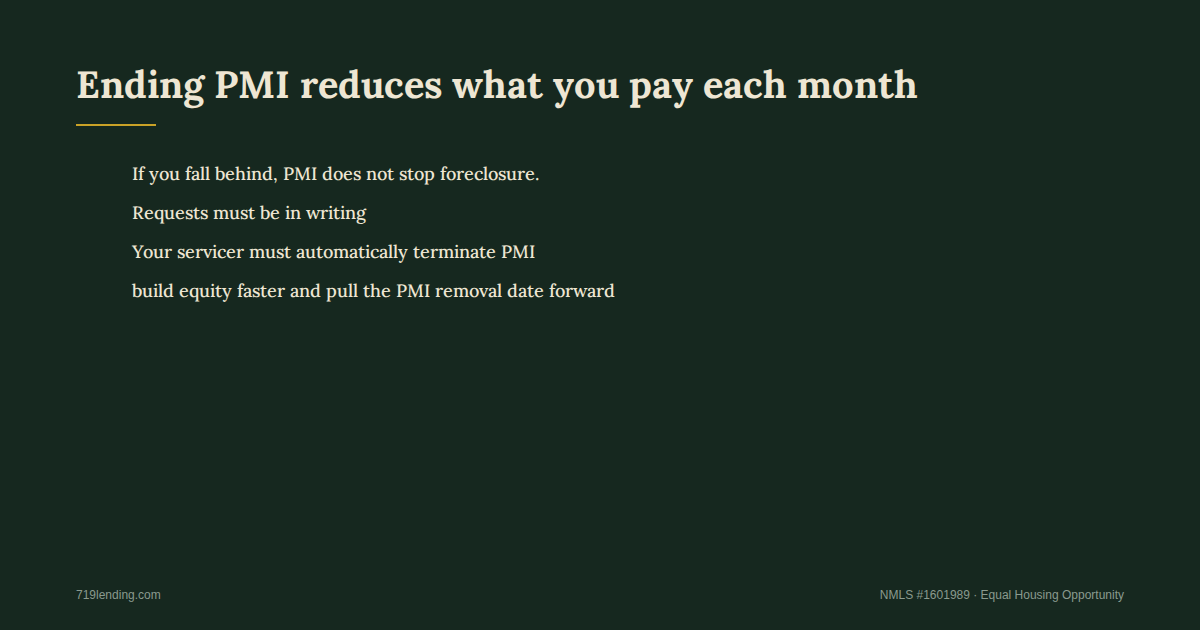
Private mortgage insurance protects the lender, not you, and it adds to your monthly mortgage payment. Here is the main benefit of removing PMI, when federal law says you can cancel it, and the exact steps Colorado homeowners can take to request PMI removal from their servicer.
Titles for the Person Who Handles Your Closing, Explained
The different titles for the person who handles my closing — that question comes up in almost every real estate transaction, because the same job wears different name tags in different places. This guide walks Colorado buyers and sellers through each title, what the person actually does during the closing process, and where the title company fits in.
What are the different titles for the person who handles my closing?

The Consumer Financial Protection Bureau (CFPB) answers this directly in its Closing Disclosure explainer. When it tells borrowers how to deliver their Cash to Close, it says to ask your closing agent, and adds: “Depending on your location, this person may be known as a settlement agent, escrow agent, or closing attorney.”
So the short list looks like this:
- Closing agent — the general, catch-all title
- Settlement agent — common where closing costs are called “settlement costs”
- Escrow agent — emphasizes the role of holding funds and documents as a neutral third party
- Closing attorney — used where a licensed attorney conducts real estate closings
| Title | What the name emphasizes |
|---|---|
| Closing agent | The person coordinating closing day for all parties involved |
| Settlement agent | Settling, or finalizing, the real estate transaction and its costs |
| Escrow agent | Holding funds and documents neutrally until the deal is complete |
| Closing attorney | An attorney handling the closing and its legal documents |
With the names on the table, the next question is what the person behind them actually does.
Closing agent: the umbrella term
The closing agent is the working title the CFPB itself uses. This is the person you ask about how to deliver your Cash to Close — the actual amount you pay at closing, typically by cashier’s check or wire transfer.
The closing agent sits at the center of the closing process. The buyer, the seller, the real estate agent on each side, and the mortgage lender all funnel documents and instructions through this one desk.
Whatever title appears on the business card, the function is the same, which is why the other three names below are variations on this one.
Settlement agent: the name on federal paperwork
The settlement agent title tracks the language of the disclosure forms. The CFPB notes that closing costs are also called “settlement costs” — the upfront costs charged to get the loan and transfer ownership of the property.
A settlement agent, then, is the person who settles the transaction: confirming the figures, collecting what the buyer owes, and distributing funds to the seller and other parties.
If your paperwork says settlement agent and your real estate agent says closing agent, they mean the same person. The escrow agent title works the same way, with one wrinkle worth flagging.
Escrow agent: the neutral third party
The escrow agent title highlights neutrality. During the closing process, someone has to hold the buyer’s funds and the signed closing documents until every condition of the deal is met — a neutral third party with no stake in the outcome.
Don’t confuse the escrow agent with your escrow account
The word escrow shows up twice in a mortgage, and they are different things. The escrow agent handles the closing itself.
An escrow account, by contrast, is the ongoing account that lets you pay property taxes and homeowners insurance monthly as part of the mortgage payment instead of in a large lump sum. Your Closing Disclosure tells you whether you will have one and what it includes.
That distinction matters when reading your closing documents. The last title on the list adds a legal dimension.
Closing attorney: where lawyers run the closing
In some locations, real estate closings are conducted by a closing attorney — a licensed attorney rather than a non-attorney closing agent. Real estate attorneys in those markets review and handle the legal documents that make the transfer legally sound.
Those documents include the note and the security instrument — also known as the “mortgage” or “deed of trust” — which the CFPB says to read carefully, because the security interest is what allows the lender to foreclose if the loan is not repaid.
Whether an attorney or a title company runs your closing depends on where the property sits, which brings us to the business behind most closing agents.
Where the title company fits in
In many markets, the person handling your closing works for a title company. The title company often wears two hats in a real estate transaction: conducting the closing and issuing title insurance on the property’s title.
Title search and clear title
The goal is a clear title and a clear chain of ownership before the legal transfer happens.
Title insurance and title fees
The CFPB explains that, depending on the state where you are buying, the title insurance company may give you an itemized list of fees at closing, and that list may be displayed differently than the same title fees on the Loan Estimate or Closing Disclosure.
Different display does not necessarily mean you are being charged more. Add up all the title-related costs from the title company and the total should match the title-related totals on your loan forms — when comparing title insurance costs, compare the bottom-line total.
The CFPB also publishes separate explainers on owner’s title insurance and lender’s title insurance, which describe the title policy each party receives. Once the title work is done, closing day itself is the closing agent’s show.
What the closing agent does on closing day
Whatever the title, the person handling your closing runs the closing meeting through a consistent sequence.
Documents
The closing agent presents the closing documents for signature, including the note and the deed of trust or mortgage. Government fees on your Closing Disclosure cover transferring the property to you and registering the mortgage with the county records office — the step that puts the new ownership into public records with the local government.
Funds
The closing agent collects your Cash to Close, confirms it matches the Closing Disclosure, and handles distributing funds to the seller, the lender, and other parties. Ask this person in advance whether a cashier’s check or a wire transfer is expected.
If a dispute arises over a figure on closing day, this is also the person who reconciles it against your paperwork. Colorado buyers have one extra reason to sort out these titles early.
What this means for Colorado Springs buyers
Because the title depends on location, ask early in the closing process which kind of closing agent your transaction uses. Your real estate agent and your loan officer can tell you who is handling the file and where the closing will take place.
For military families around Colorado Springs, that matters for scheduling. A PCS move can put a buyer out of state on the closing date, so knowing who the closing agent is — and asking about signing logistics ahead of time — keeps the mortgage loan on track even when the buyer cannot attend in person on closing day. Confirm any remote-signing options directly with the closing agent.
Before that conversation, it helps to know exactly what the federal consumer regulator says on the subject.
What the official source says and where to read it
The authority here is the CFPB’s Closing Disclosure explainer at consumerfinance.gov. It is where the closing agent / settlement agent / escrow agent / closing attorney language comes from, and it walks through every section of the form.
It also reminds borrowers that lenders are required to provide the Closing Disclosure three business days before the scheduled closing — time to check the loan amount, the interest rate on the loan, closing costs, and Cash to Close against the most recent Loan Estimate, and to ask questions if something changed.
Note that the CFPB says certain products, such as a reverse mortgage or a home equity line of credit, do not use a Loan Estimate or Closing Disclosure and come with different disclosures instead. With the reading done, the next step is a short checklist.
What to do next
Here is the concrete path forward before your closing date:
- Ask your loan officer or real estate agent who the closing agent is and which title applies in your transaction.
- Review the Closing Disclosure as soon as it arrives and compare it to the Loan Estimate.
- Compare the bottom-line total of title-related costs from the title company against your loan forms.
- Confirm with the closing agent how to deliver Cash to Close and what to bring to the closing meeting.
If you are buying in Colorado Springs and want a plain-English walkthrough of who does what between contract and keys, the team at 719 Lending can map out your specific closing process before you sign anything.
Frequently asked questions
Is a closing agent the same as a settlement agent?
Yes. The CFPB notes the person who handles your closing is your closing agent, and depending on your location this same person may be known as a settlement agent, escrow agent, or closing attorney. The titles vary by location; the job is the same.
Is the escrow agent the same as my escrow account?
No. The escrow agent is the neutral third party who holds funds and documents during the closing process. An escrow account is the ongoing account that lets you pay property taxes and homeowners insurance monthly as part of the mortgage payment.
Does a title company handle the closing or just title insurance?
Often both. In many real estate transactions the title company conducts the closing and issues title insurance on the property’s title. In some locations, a closing attorney conducts real estate closings instead. Ask your loan officer which applies to your transaction.
Why don’t my title company fees match my Closing Disclosure?
Per the CFPB, the itemized list of title fees required under state law may be displayed differently than the same fees on the Loan Estimate or Closing Disclosure. Add up all title-related costs and compare the bottom-line totals — different display does not necessarily mean you are being charged more.
How do I pay my Cash to Close at closing?
You will typically need a cashier’s check or wire transfer for the Cash to Close amount shown on your Closing Disclosure. The CFPB advises asking your closing agent — also called a settlement agent, escrow agent, or closing attorney — exactly how to make this payment.
When do I get my Closing Disclosure before closing day?
Lenders are required to provide the Closing Disclosure three business days before your scheduled closing. Use that window to check the loan terms, closing costs, and Cash to Close against your most recent Loan Estimate and resolve any differences before the closing meeting.
719 Lending Inc., NMLS #1601989 · Equal Housing Opportunity
719 Lending Inc. is not affiliated with or endorsed by HUD, FHA, VA, USDA, CHFA, the CFPB, or any government agency.
Last updated: September 2026

Related Posts