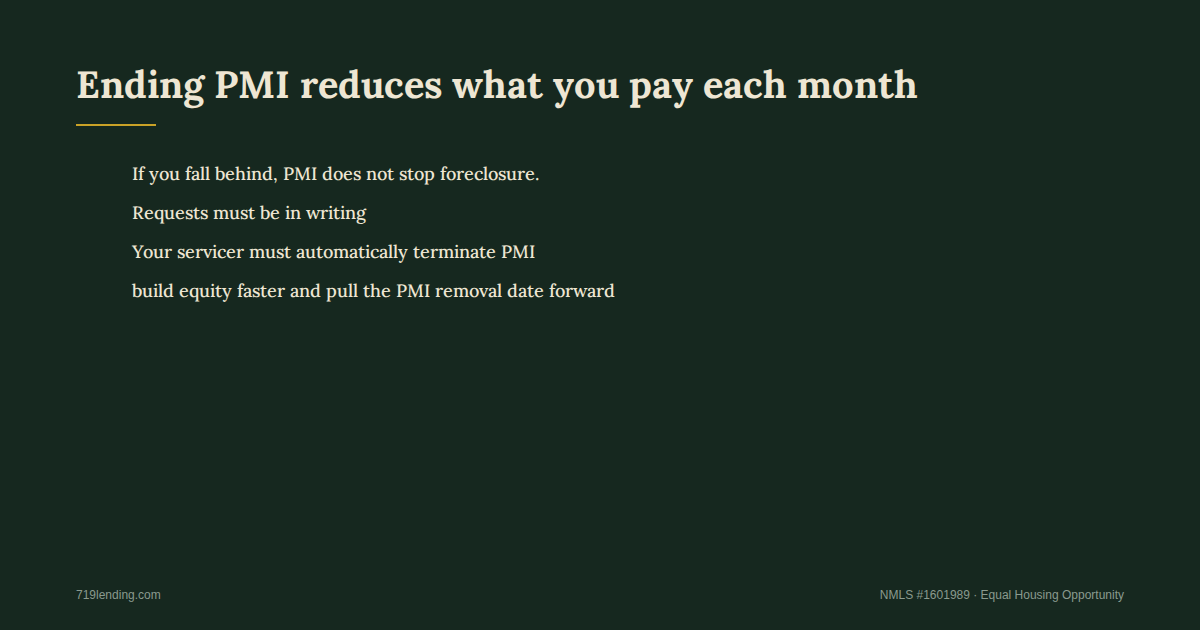
Private mortgage insurance protects the lender, not you, and it adds to your monthly mortgage payment. Here is the main benefit of removing PMI, when federal law says you can cancel it, and the exact steps Colorado homeowners can take to request PMI removal from their servicer.
Why Did My Loan Amount Increase From the Loan Estimate?
Why might my loan amount have increased from the loan estimate? In almost every case, the answer is that costs that were originally going to be paid in cash at closing have been added to the loan balance instead — most often closing costs rolled into the loan. This guide walks Colorado borrowers through what the Consumer Financial Protection Bureau (CFPB) says about the loan amount line, how the Loan Estimate and Closing Disclosure work together, and exactly what to check before closing day.
Here are the main reasons a loan amount can grow between the loan estimate and closing:
- Closing costs were rolled into the loan to reduce upfront costs at closing
- The down payment amount changed, so the loan has to cover more of the sale price
- A loan-specific fee is being financed rather than paid in cash — something to confirm with the loan officer
- You are comparing against an old document instead of the most recent revised loan estimate
The short answer: financed closing costs are the usual culprit

The CFPB’s Closing Disclosure explainer addresses this exact situation. Its instruction: check that the loan amount matches your most recent Loan Estimate, and if it has increased, ask the lender why.
The possible reason the CFPB names is that closing costs have been rolled into the loan. That reduces what you bring to the table, but it adds to the overall cost of the loan because of the added interest you will pay on the larger balance.
In other words, the money didn’t disappear — it moved from the cash-to-close column into the loan balance. The next question is whether that trade was one you agreed to.
Who this applies to
This check matters for anyone with a standard mortgage — a purchase or a refinance — because those loans come with a Loan Estimate after application and a Closing Disclosure before signing.
It comes up constantly in Colorado Springs, where PCS timelines push military families to move fast between contract and closing. A compressed schedule is exactly when a changed number slips past unnoticed.
Note that the CFPB says you will not receive a Loan Estimate or Closing Disclosure for a reverse mortgage, a home equity line of credit, a manufactured home loan not secured by real estate, or certain subordinate homebuyer-assistance loans. Those use different disclosures, so this comparison process doesn’t apply there.
For everyone else, the two documents are designed to be compared side by side — so it helps to know how each one works.
How the loan estimate and closing disclosure fit together
The loan estimate
A Loan Estimate is a three-page form the lender must provide within three business days of receiving your application. It shows the estimated interest rate, monthly payment, and total closing costs, plus estimated taxes and insurance.
Every lender uses the same standard form, which is what makes it possible to compare offers from a mortgage broker or bank line by line. On a purchase, the CFPB says to check that the loan amount plus your down payment equals the sale price of the home — if it doesn’t, ask the lender why.
The closing disclosure
Lenders are required to provide the Closing Disclosure three business days before your scheduled closing. The CFPB is blunt about how to use that window: use these days wisely, and if something looks different from what you expected, ask why.
That three-day window is your chance to catch a changed loan amount while there is still time to fix it.
Why “most recent” matters: the revised loan estimate
Notice the CFPB’s wording: compare against your most recent Loan Estimate. Loan details can be updated along the way, so a revised loan estimate may replace the original one you saved on day one.
If circumstances change during underwriting, the document you should be comparing against is the newest revised loan estimate, not the first version. Many “my loan amount increased” surprises are really a comparison against a stale document — pull out every loan estimate you received and check the dates.
If you never saw a revised loan estimate but the loan amount still moved, that’s precisely the question to put to the lender in writing. Which brings us to the specific reasons the number changes.
Common reasons the loan amount changes
Closing costs rolled into the loan
This is the reason the CFPB names directly. Closing costs — the upfront charges to get the loan and transfer ownership, including origination charges, taxes and other government fees, prepaids like prepaid interest and the first year’s homeowners insurance premium, and the initial escrow payment — can be financed instead of paid at closing.
The trade-off is explicit: lower upfront costs now, higher overall loan costs later because of interest on the added balance. Whether that trade makes sense depends on your cash position and how long you plan to keep the loan.
A change in the down payment amount
On a purchase, loan amount plus down payment equals the sale price. If the down payment amount shrank — say, funds got redirected to cover repairs or moving costs — the loan amount rises to fill the gap.
Financed fees on government-backed loans
The CFPB notes that on an FHA, VA, or USDA loan, the upfront mortgage insurance premium or funding fee appears in the “Services You Cannot Shop For” section, and those fees are usually set by the government program, not the lender. If you’re a service member closing near Fort Carson or Peterson and the loan amount grew, ask the loan officer whether any such fee is being financed into the balance rather than paid in cash — and get the answer before the signing table.
While the loan amount can move, some terms are supposed to hold steady.
What should not change without explanation
If the interest rate was locked, the CFPB says the lender is only allowed to change a locked rate under limited circumstances. A different rate on the Closing Disclosure than on the most recent loan estimate deserves an immediate call.
Also check lender credits. A lender credit is a rebate that offsets some closing costs, typically provided in exchange for a higher interest rate; points work in the opposite direction, an upfront fee paid for a lower rate. If credits or points shifted between the loan estimate and the Closing Disclosure, that reshuffles both the closing costs and potentially the loan amount — ask for the math.
The fastest way to spot all of this is a line-by-line comparison.
How to verify the numbers line by line
Use the CFPB’s own checklist for the Closing Disclosure:
- Confirm loan term, purpose, product, and loan type match the most recent loan estimate
- Confirm the loan amount matches — if it increased, ask why
- Check the interest rate against the rate lock
- Compare “Services Borrower Did Not Shop For” and “Services Borrower Did Shop For” against the loan estimate; flag any services or providers you don’t recognize, especially any not from the lender’s written list of approved providers
- Confirm total closing costs, seller credit, and cash to close match what you expected
Cash to close is the actual amount you pay at closing, typically by cashier’s check or wire transfer. If the loan amount went up but cash to close went down by a similar move, that’s the signature of financed closing costs.
What to do next
Pull the most recent revised loan estimate and the Closing Disclosure, put them side by side, and circle every line that doesn’t match. Then call the lender — within the three-business-day window, not at the closing table — and ask them to walk through each circled item.
The CFPB’s free Loan Estimate and Closing Disclosure explainers at consumerfinance.gov highlight every field on sample forms. And if you’d rather have a second set of eyes, a local loan officer at 719 Lending can review both documents with you and explain exactly where the changed number came from.
Frequently asked questions
Can my loan amount change after the loan estimate?
Yes. The CFPB says to check that the loan amount on the Closing Disclosure matches the most recent Loan Estimate, and if it increased, to ask the lender why. A common reason is that closing costs were rolled into the loan, which lowers upfront costs at closing but adds interest cost over the life of the loan.
Why is my closing disclosure loan amount higher than my loan estimate?
The reason the CFPB names is closing costs rolled into the loan balance instead of being paid in cash. A reduced down payment amount can also raise the loan amount, since loan amount plus down payment equals the sale price on a purchase. Ask the lender to explain the specific change in writing.
What is a revised loan estimate?
An updated version of the Loan Estimate issued when loan details change before closing. The CFPB instructs borrowers to compare the Closing Disclosure against the most recent Loan Estimate, so always check the dates on every loan estimate you received and compare against the newest one.
How long before closing do I get the closing disclosure?
Lenders are required to provide the Closing Disclosure three business days before your scheduled closing. The CFPB says to use those days to resolve problems — if the loan amount, interest rate, closing costs, or cash to close look different from the most recent loan estimate, ask why before you sign.
Is it bad to roll closing costs into the loan?
It’s a trade-off, not automatically bad. Per the CFPB, financing closing costs reduces your upfront costs at closing but adds to the overall cost of the loan because of the added interest you pay on the larger balance. What matters is that you agreed to it knowingly rather than discovering it on the Closing Disclosure.
719 Lending Inc., NMLS #1601989 · Equal Housing Opportunity
719 Lending Inc. is not affiliated with or endorsed by HUD, FHA, VA, USDA, CHFA, the CFPB, or any government agency.
Last updated: September 2026

Related Posts