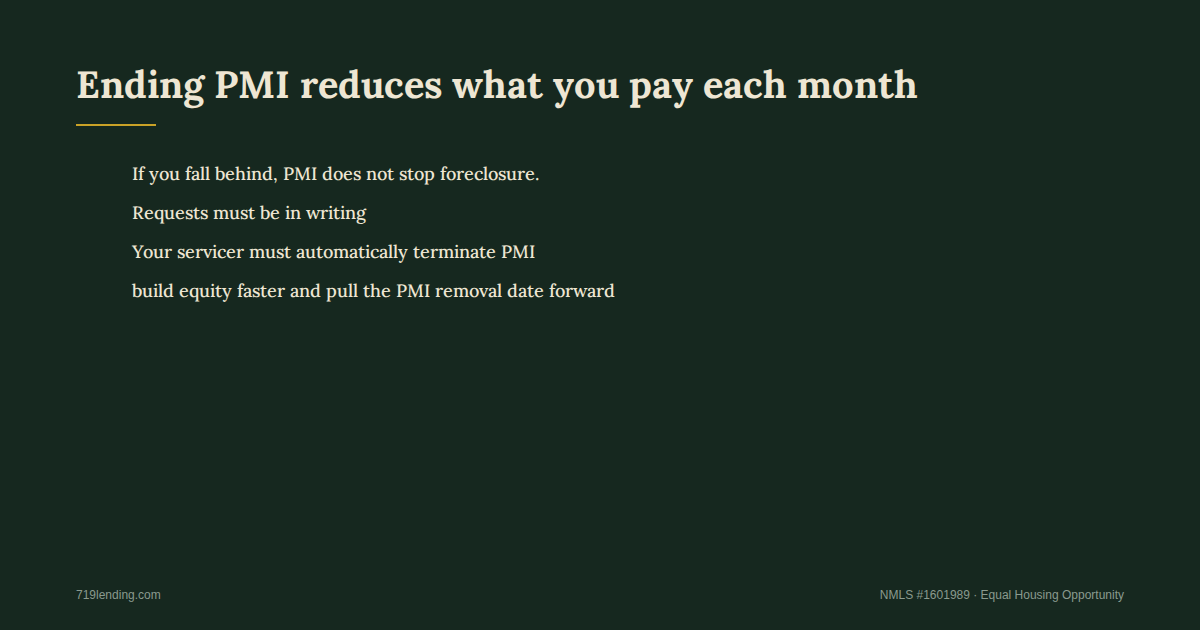
Private mortgage insurance protects the lender, not you, and it adds to your monthly mortgage payment. Here is the main benefit of removing PMI, when federal law says you can cancel it, and the exact steps Colorado homeowners can take to request PMI removal from their servicer.
What Is an Appraisal and What Does It Tell You?
What is an appraisal and what information does it provide about a property? In plain terms, a home appraisal is a written document that shows an independent opinion of how much a property is worth. This guide explains what goes into the appraisal report, who orders it, who pays for it, and what to do if the appraised value comes in below the purchase price — written for Colorado buyers and homeowners, including the many military families moving into the Colorado Springs area.
Here are the core facts, straight from the Consumer Financial Protection Bureau (CFPB), before we go deeper.
| Question | Answer |
|---|---|
| What is a home appraisal? | A written document showing an opinion of how much a property is worth |
| What does the appraisal report describe? | What makes the property valuable, and how it may compare to other properties in the neighborhood |
| Who is it independent of? | The buyer, the seller, and the lender — lenders are not allowed to interfere with the appraiser’s judgment |
| Do you get a copy? | Yes — free, promptly after the report is completed and no later than three days before closing on a first-lien mortgage |
| Who pays? | The lender may require you to pay a reasonable fee for the cost of preparing the appraisal, but cannot charge you for copies |
What is an appraisal?

A home appraisal is a written document that shows an opinion of how much a property is worth. It is not a guess and it is not a sales pitch — it is a professional opinion of value, produced under rules the appraiser has to follow.
When you borrow money to buy or refinance a home, the mortgage lender may need to get a new appraisal and may require you to pay for it. The lender may also use other ways to check the value of the home.
An independent assessment of value
The CFPB describes an appraisal as an independent assessment of the value of the property. Appraisers have to follow rules in arriving at the value of a property, and lenders are not allowed to interfere with the appraiser’s judgment.
That independence is the whole point. The appraisal exists so that the value opinion in the file is not shaped by the buyer, the seller, the real estate agent, or the lender — all of whom have a stake in the real estate transaction closing.
A home appraisal is not a home inspection
An appraisal answers one question: what is this property worth? It is an opinion of value for the mortgage loan file, not a top-to-bottom condition review of the home.
A home inspection is a separate step buyers typically arrange for their own protection. Ask your real estate agent or loan officer how a home inspection fits into your home buying process, because getting an appraisal does not replace doing your own due diligence on the property’s condition.
With the definition settled, let’s look at what the appraisal report actually tells you.
What information does an appraisal report provide about the property?
The appraisal gives you useful information about the property. According to the CFPB, the appraisal report describes what makes the property valuable and may show how it compares to other properties in the neighborhood.
An opinion of the property’s value
The headline output of the entire home appraisal process is the appraised value — the appraiser’s professional opinion of what the home is worth. On a purchase, that figure sits alongside the purchase price in the sales contract; on a refinance, it helps the lender confirm the value of the property securing the loan.
What makes the home valuable
The appraisal report describes what makes the property valuable. Reading it tells you, in writing, what an independent professional saw in the home — which is worth knowing whether the news is good or bad.
How the home compares to the neighborhood
The appraisal may show how the subject property compares to other properties in the neighborhood. That comparison against comparable properties is one reason the appraised value is treated as strong evidence of the home’s market value — it is grounded in the surrounding real estate market, not in what one buyer was willing to offer.
Because the report carries that weight, it matters who has to see one — and when.
Who needs a home appraisal?
If you are borrowing money to buy or refinance a home, expect an appraisal. The lender may need to get a new one even if the property was appraised recently, and may require you to pay for it.
Buyers in the Colorado Springs market
For buyers — including the steady stream of service members arriving on PCS orders to the installations around Colorado Springs — the home appraisal typically happens after the sales contract is signed and while the loan is in process. The appraised value tells you and the lender whether the purchase price lines up with an independent view of the home’s value.
Homeowners refinancing
The same rule applies when you refinance: the loan is secured by the home, so the mortgage lender needs a way to check the value of the property. An appraisal is the standard tool, though the CFPB notes lenders may also use other ways to check a home’s value.
Whoever orders it, someone has to pay for it — and the rules on that are specific.
Who pays for the appraisal?
The lender may require you to pay for the appraisal. The CFPB frames this as a reasonable fee for the lender’s cost of preparing the appraisal or other valuation.
What the lender cannot do is charge you for copies. You can’t be charged a fee for copies of an appraisal or other valuation — the appraisal fee covers preparing the report, not handing it to you.
Ask your loan officer early in the loan process when the appraisal fee is collected, so it never surprises you on the closing paperwork.
Paying for the report leads directly to the next question: do you get to read it?
Do you have the right to a copy of the appraisal?
Yes. For a first-lien mortgage — a typical home loan secured by a first mortgage on your residential real estate — you are entitled to receive a free copy of all appraisals and other written valuations that provide an estimate of the value of your home.
When the copy must arrive
Lenders are required to send you a copy promptly after the appraisal report is completed, and no later than three days before your loan closes. If you have not received a copy of the appraisal, ask your lender for it.
Why you should actually read it
The appraisal report is not just paperwork for the file. It tells you what an independent professional thinks the home is worth, what makes it valuable, and how it stacks up against the neighborhood — information you can act on before you sign anything at closing.
Reading it matters most in one specific scenario: when the appraised value comes in below the sales price.
What if the appraised value is less than the sale price?
The CFPB is blunt about this: it is very risky to purchase a home for more than the appraised value. If the appraisal comes in low, you have real options — in a specific order.
First, get a copy of the appraisal
Start by getting the report itself. The appraisal is a professional opinion as to the value of the home you want to purchase, produced under rules the appraiser must follow and free from lender interference. The lender is required to send you a copy; if you haven’t received it, ask.
Next, ask the seller to reduce the price
You can often use the lower appraised value to negotiate a reduction in the sales price of the home. The appraisal is strong evidence that the price was above the market value of the home, which gives you a documented basis to ask for a lower purchase price rather than just an opinion.
If the seller won’t budge, consider canceling
If the seller won’t reduce the price on the home, you may want to cancel the sale. Consider consulting an attorney about your options, because depending on the terms of your purchase contract there may be costs associated with cancelling.
The CFPB’s view: those cancellation costs are likely small compared to buying a home that isn’t worth what you paid for it. Talk with your real estate agent about how your specific sales contract handles this situation before you are under pressure.
All of the rules above come from one official source, and it is worth reading directly.
What the official source says and where to read it
Everything in this article about the appraisal process traces back to the Consumer Financial Protection Bureau, the federal agency that implements and enforces federal consumer financial law.
The CFPB’s core pages on the topic are what appraisals are and why you should look at them, your right to receive a copy of the home appraisal, and what a low appraisal means for a buyer.
If you have a problem with the mortgage closing process, the CFPB says to discuss it with your lender first. You can also submit a complaint to the CFPB online, and the bureau will forward it to the company and work to get you a response. You may also wish to have your own attorney look at the issue.
Knowing the rules is half the job — here is how to put them to work on your own transaction.
What to do next
If you are buying or refinancing in Colorado, three steps put the appraisal to work for you rather than against you.
- Ask your loan officer, up front, when the appraisal will be ordered and how the appraisal fee is handled in your file.
- Read the appraisal report as soon as it arrives — you are entitled to it promptly after completion and no later than three days before closing on a first-lien loan.
- If the appraised value comes in below the purchase price, do not sign through it silently. Use the report to negotiate, and talk to your real estate agent and, if needed, an attorney about your contract options.
719 Lending works with buyers, refinancing homeowners, and military families across Colorado Springs every day, and the home appraisal is a step we walk clients through on every mortgage loan. If you have a question about an appraisal on a purchase or refinance — or you just got a low one and want to talk through the options — reach out to a 719 Lending loan officer and bring the report with you.
Frequently asked questions
What is a home appraisal in simple terms?
A home appraisal is a written document that shows an independent professional opinion of how much a property is worth. It describes what makes the home valuable and may show how it compares to other properties in the neighborhood.
What information does an appraisal report include?
Per the CFPB, the appraisal report provides an opinion of the property’s value, describes what makes the property valuable, and may show how the home compares to other properties in the neighborhood. It serves as an independent assessment of the value of the property.
Do I get a copy of my appraisal?
Yes. For a first-lien mortgage, the lender must give you a free copy of all appraisals and written valuations promptly after the report is completed, and no later than three days before the loan closes. You cannot be charged for copies, though you can be charged a reasonable fee for the cost of preparing the appraisal.
Is an appraisal the same as a home inspection?
No. An appraisal is an opinion of the property’s value produced for the mortgage loan file. A home inspection is a separate step buyers arrange to review the home’s condition, and getting an appraisal does not replace it.
What happens if the appraisal is lower than the purchase price?
The CFPB says it is very risky to buy a home for more than the appraised value. Get a copy of the appraisal, then use it to ask the seller to reduce the price — the report is strong evidence the price was above market value. If the seller refuses, you may want to cancel the sale after consulting an attorney about your contract.
Can my lender influence the appraised value?
No. Appraisers have to follow rules in arriving at the value of a property, and lenders are not allowed to interfere with the appraiser’s judgment. That independence is what makes the appraisal a credible check on a home’s value.
719 Lending Inc., NMLS #1601989 · Equal Housing Opportunity
719 Lending Inc. is not affiliated with or endorsed by HUD, FHA, VA, USDA, CHFA, the CFPB, or any government agency.
Last updated: September 2026

Related Posts